Gashouse Cove Community Letter to SFRP Commission
Media Contact
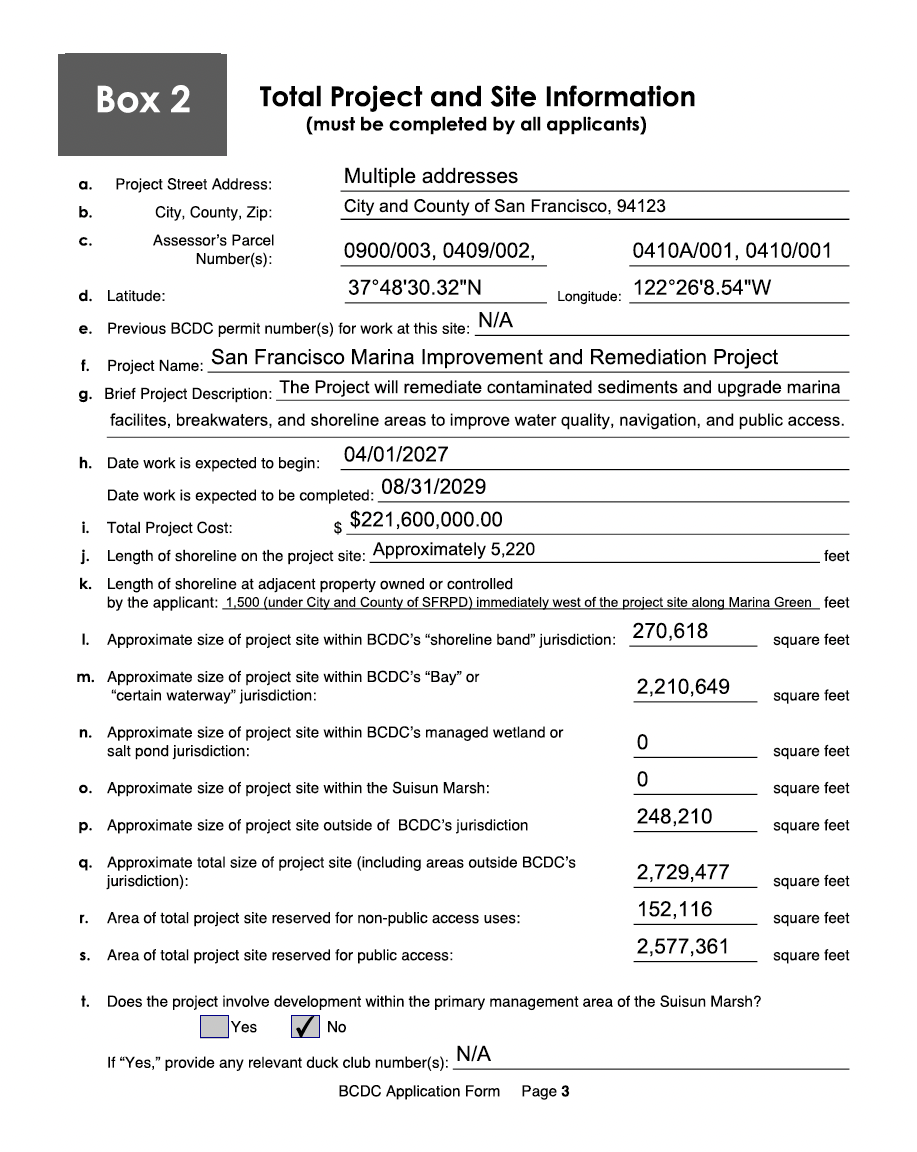
Captain Maggie Hallahan
Sea Scout Leader, Makani Maritime Explorers 415-305-7553 maggie@mhpv.net
Steerswoman Christiana Hoffman Inesi
Sea Scout Leader, Makani Maritime Explorers SFBay.Maritime.Youth.Advocates@gmail.com
Right click to download high resolution images for press. Images are under US copyright 2025 mhpv.net
Maritime Fuel Access on California Waters — for recreational and emergency-response boating, and working waterfront vessels.
Public Access to the Water & Water Quality Oversight — California Water Board oversight and guidelines on whether water quality meets REC-1 or REC-2 recreation standards.
California — Division of Boating and Waterways (DBW)
June 8, 2026 letter — DBW response (California State Parks) to Commissioner Hallahan's May 7 request, re: oversight of marine fuel facilities in California
Question to DBW about Public Access — Public Marina, Harbor Master, SF Marina: No Public Access (3-16-2026)
Harbor Safety Committee letter to Director Larry Goldzband, BCDC (June 17, 2026)
California State Lands Commission
June 23, 2026 meeting — public comment, first 10 minutes (includes Sea Scouts' public comment)
California State Lands Commission
California Water Board
Harbor Safety Committee — San Francisco Bay Region
HSC Agenda supporting Ad Hoc research (May 14, 2026) — importance of Gashouse Cove
San Francisco Rec and Park — SF Marina
San Francisco Sea Scouts
New Design: Keeping a Working SF Marina, draft 1.0 — Gashouse Cove
The work the Sea Scouts have been doing to keep Gashouse Cove for over a year
US Army Corps
PG & E
2025 study gas house cove Encl D. Remediation_30P (2025)
Media Coverage
SF Fuel Dock Played Key Role in Bay Rescue — SF Chronicle (7-17-2026)
Hope for Gashouse Cove Fuel Dock, San Francisco — Latitude 38 (June 17, 2026)
San Francisco’s Marina Is Losing Its Purpose — and the Public Should Be Concerned
By Captain Maggie Hallahan, SF Sea Scout Leader
In the late 1970s, as a teenager, I got my start on the water at Gashouse Cove’s small boat dock and nearby Aquatic Park Cove. That’s where I learned to handle a boat and built a lifelong connection to San Francisco Bay.
Places like this matter. They are how people begin. Today, those same kinds of entry points are disappearing.
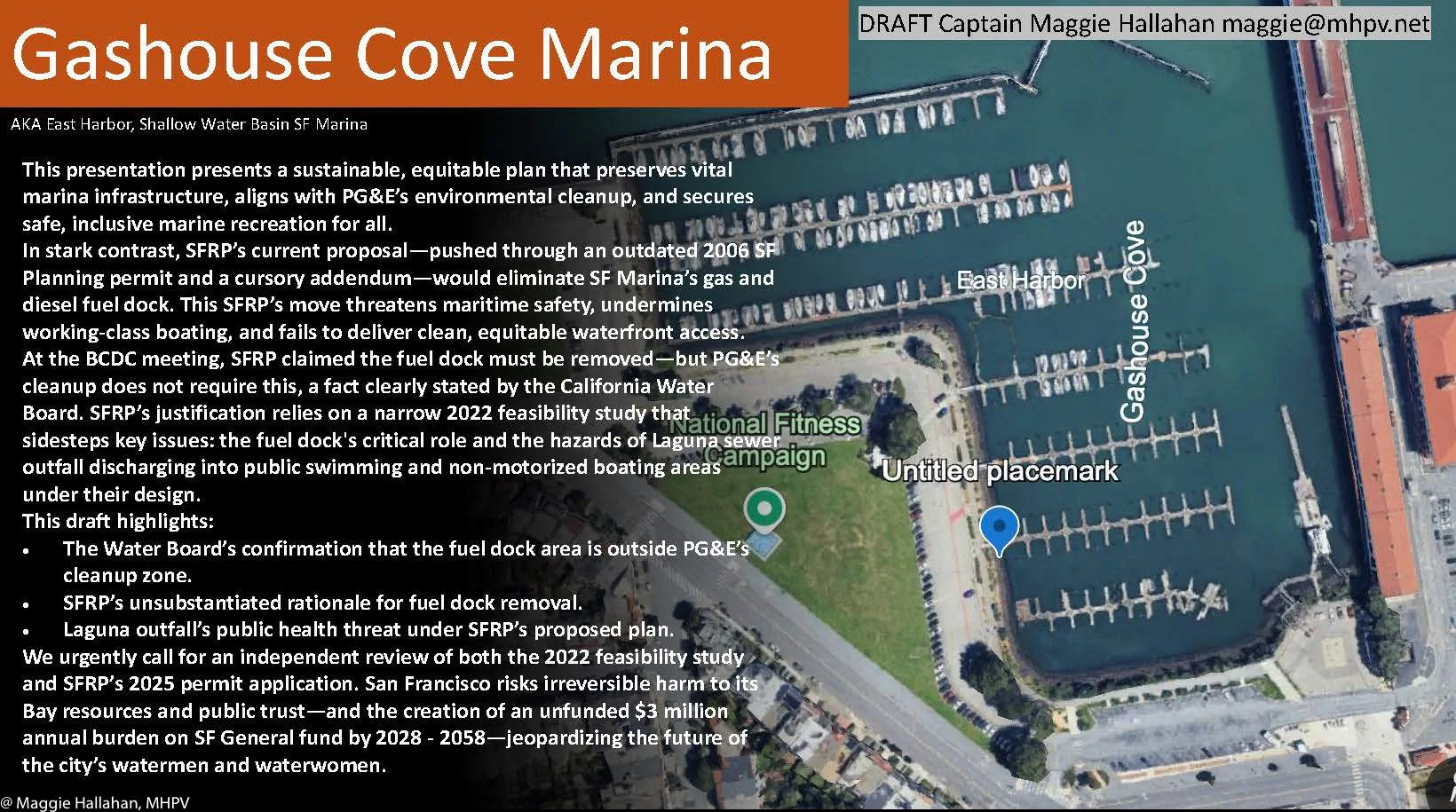
Gashouse Cove Marina (East Harbor) has long been one of the few places where the public can directly access the Bay. SF Sea Scouts started here in 1915, and Galileo High School used to bring students here to get out on the water. Located next to Fort Mason, Gashouse Cove Marina also serves as a maritime emergency response site. Built in 1962 as a small craft recreational boating area, it is now quietly being erased by SFRP.
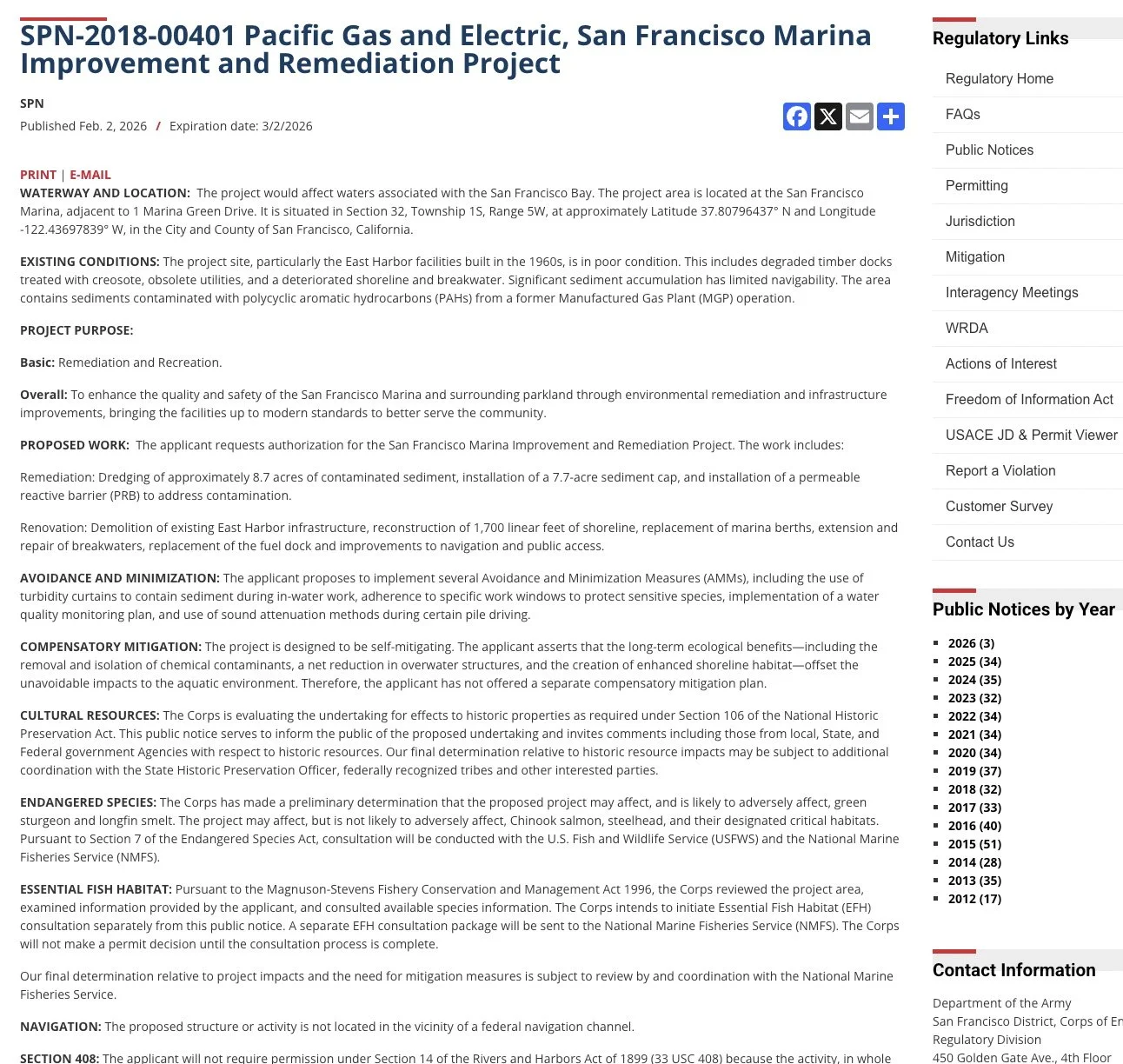
What began in 2022 as a $130 million remediation and redevelopment of Gashouse Cove Marina has grown into a San Francisco Recreation and Park Department project exceeding $220 million. It promises open space and improved shoreline access, with new sand volleyball courts, reduced parking, and more trees. But beneath that vision is a steady shift away from what a marina is meant to do: provide real, functional access to the water.
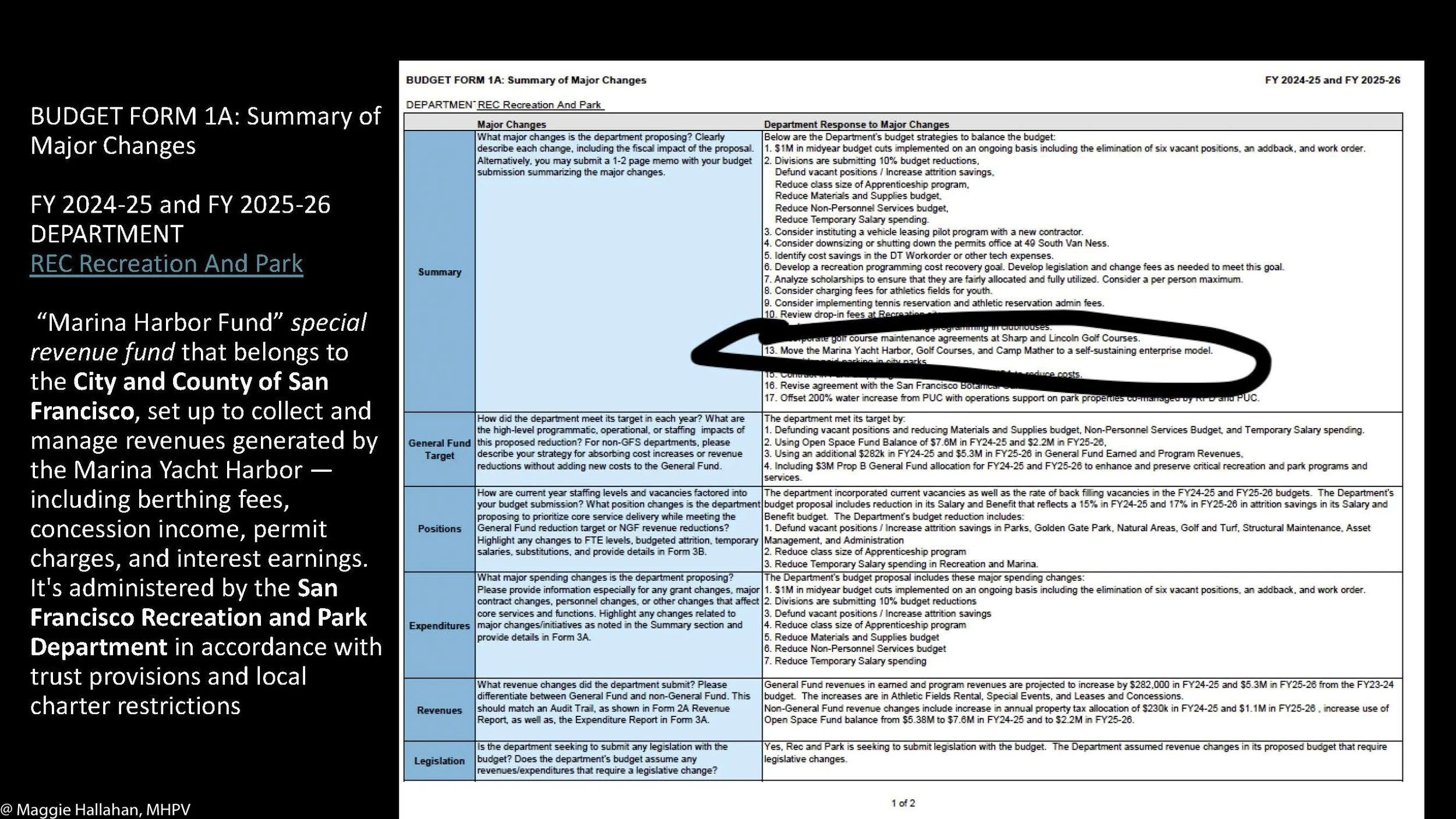
I recently submitted a formal complaint to the San Francisco Inspector General requesting an investigation into the City’s financial management of the harbor fund, public transparency, and compliance with California Public Trust law related to Gashouse Cove (East Harbor) and the West Marina.
A Small Project Driving a Massive Price Tag
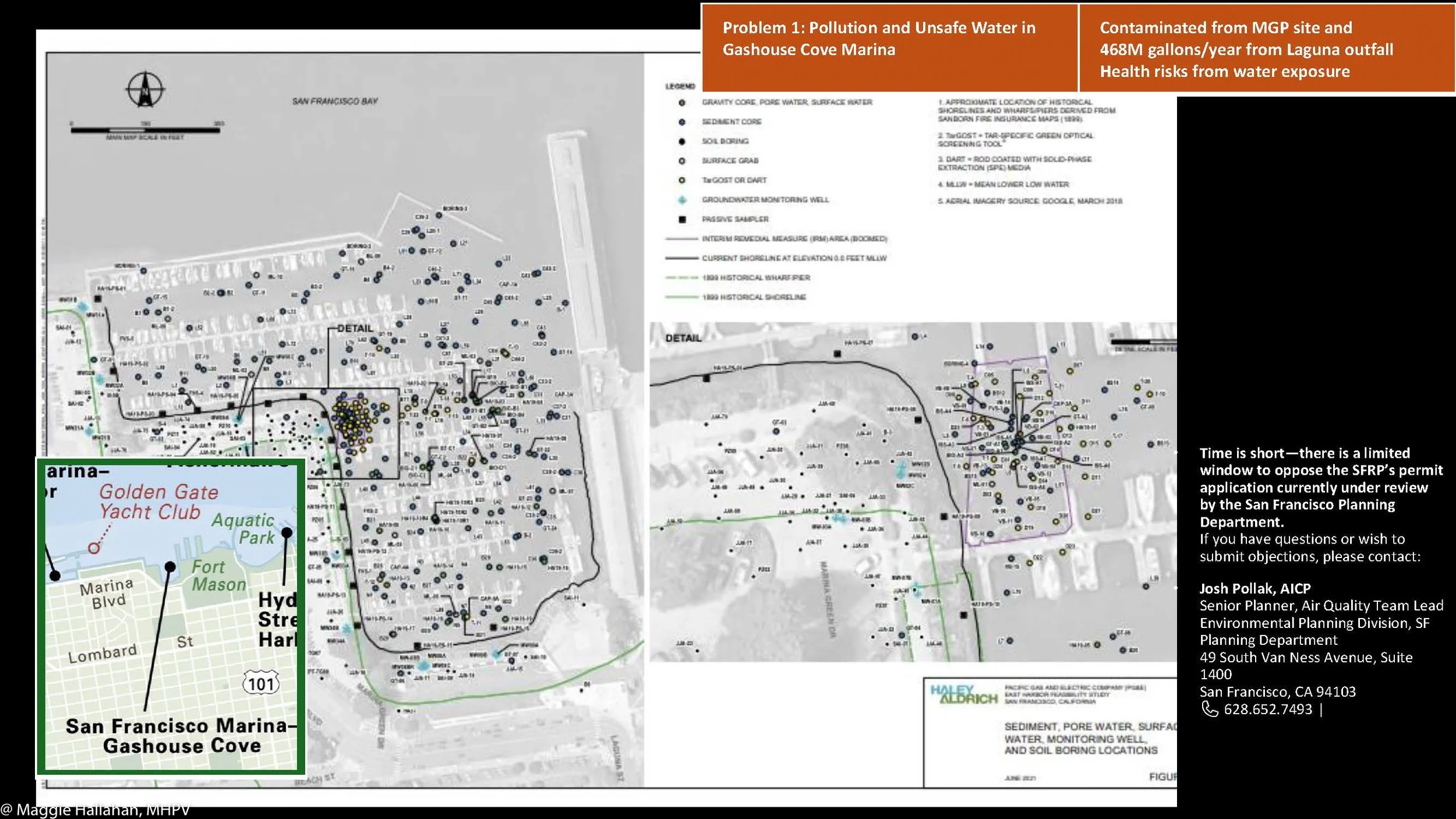
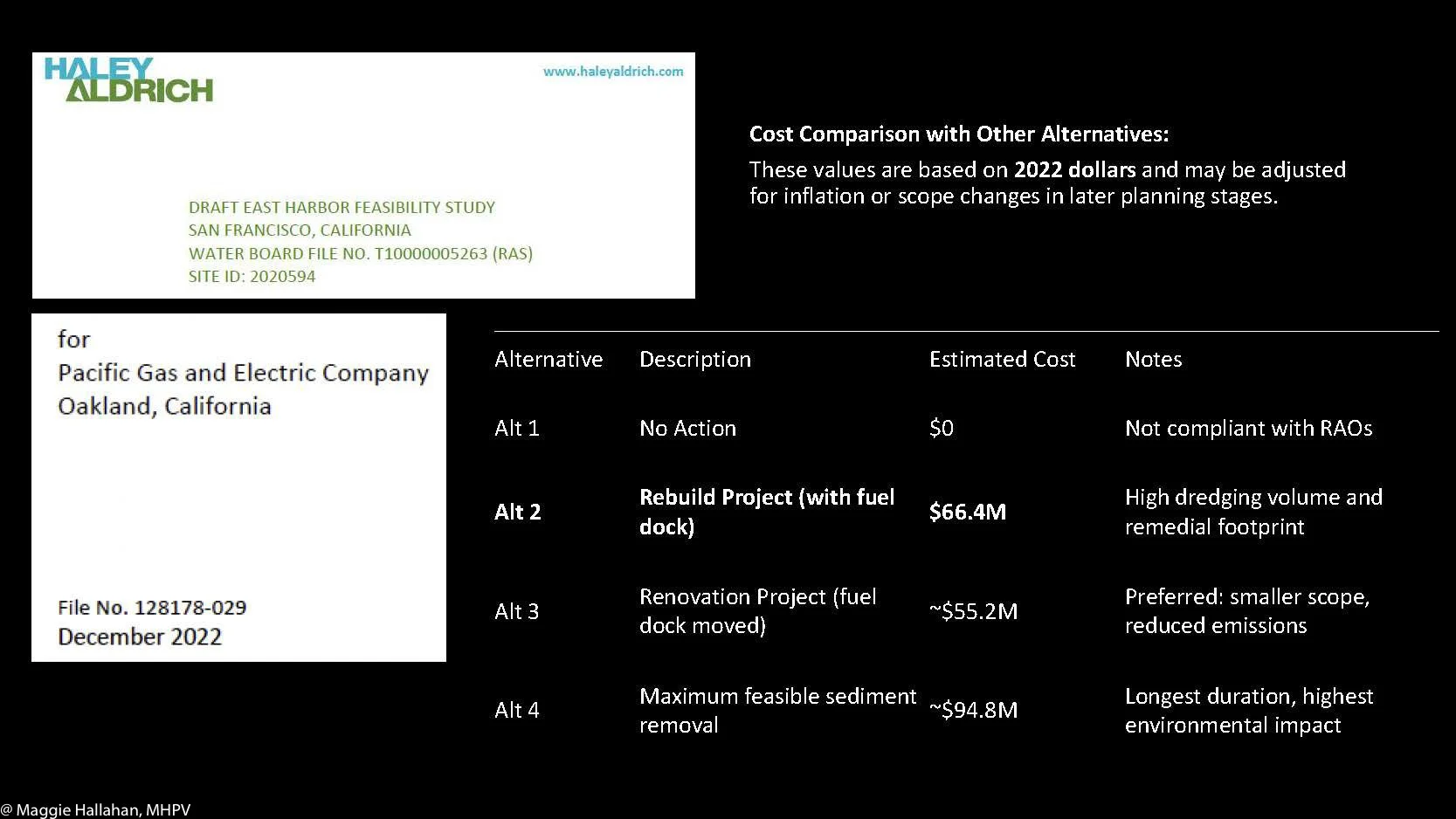
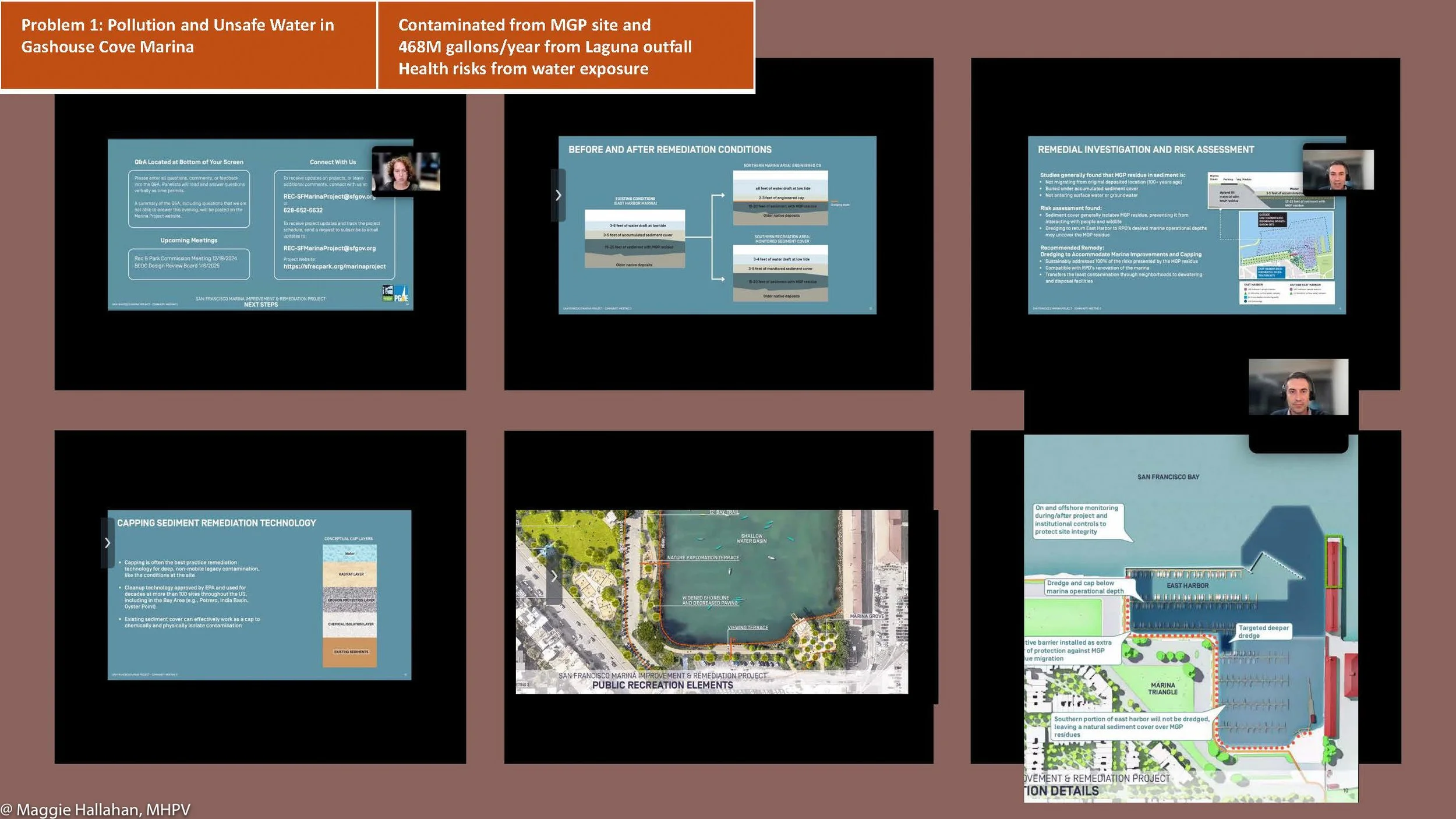
This entire effort is being justified by a California Water Board lawsuit requiring PG&E to fund remediation at Gashouse Cove (East Harbor)—a cleanup area roughly 30 by 50 feet, estimated at about $40 million. Yet that limited project has been used to justify a $220 million redevelopment of both the West Marina and Gashouse Cove.
Where is the remaining $180 million going? Primarily into changes in the West Harbor—far beyond the scope of the original environmental need.
Two Separate Properties—Now Being Treated as One
Gashouse Cove (East Harbor) and the West Harbor are legally distinct properties under Public Trust law. Yet this project combines them into a single redevelopment framework.
The PG&E obligation is tied to Gashouse Cove. But the spending and redesign extend far beyond it. On what legal basis are these properties being combined? And is that even allowed under Public Trust requirements?
The public deserves a clear answer.
Public Access Is Not Just Limited—It’s Being Denied
This is not theoretical. It is happening now.
For years, San Francisco Sea Scouts used the public dock and boat lift at Gashouse Cove to safely load and unload youth participants. That access is now gone.
Recently, I was told in writing by the San Francisco Marina Harbormaster that:
There is no public access for loading or unloading recreational passengers at the SF Marina
To offload Sea Scouts, I would need permission from a private yacht club or use the fuel dock
Let that sink in.
A publicly funded marina—on Public Trust land—has no public loading or unloading access. No public lift. No area to move boats on and off the water.
Why is the San Francisco General Fund paying for the Marina if the public cannot use it?
Infrastructure Is Being Removed, Not Improved
The project proposes:
Eliminating the public boat hoist
Reducing slips by 30 percent
Removing functional access points
Increasing costs for users
These are not improvements to access—they are reductions. And they disproportionately affect youth programs, working boaters, and everyday San Franciscans.
A Dangerous and Misrepresented “Recreation” Plan
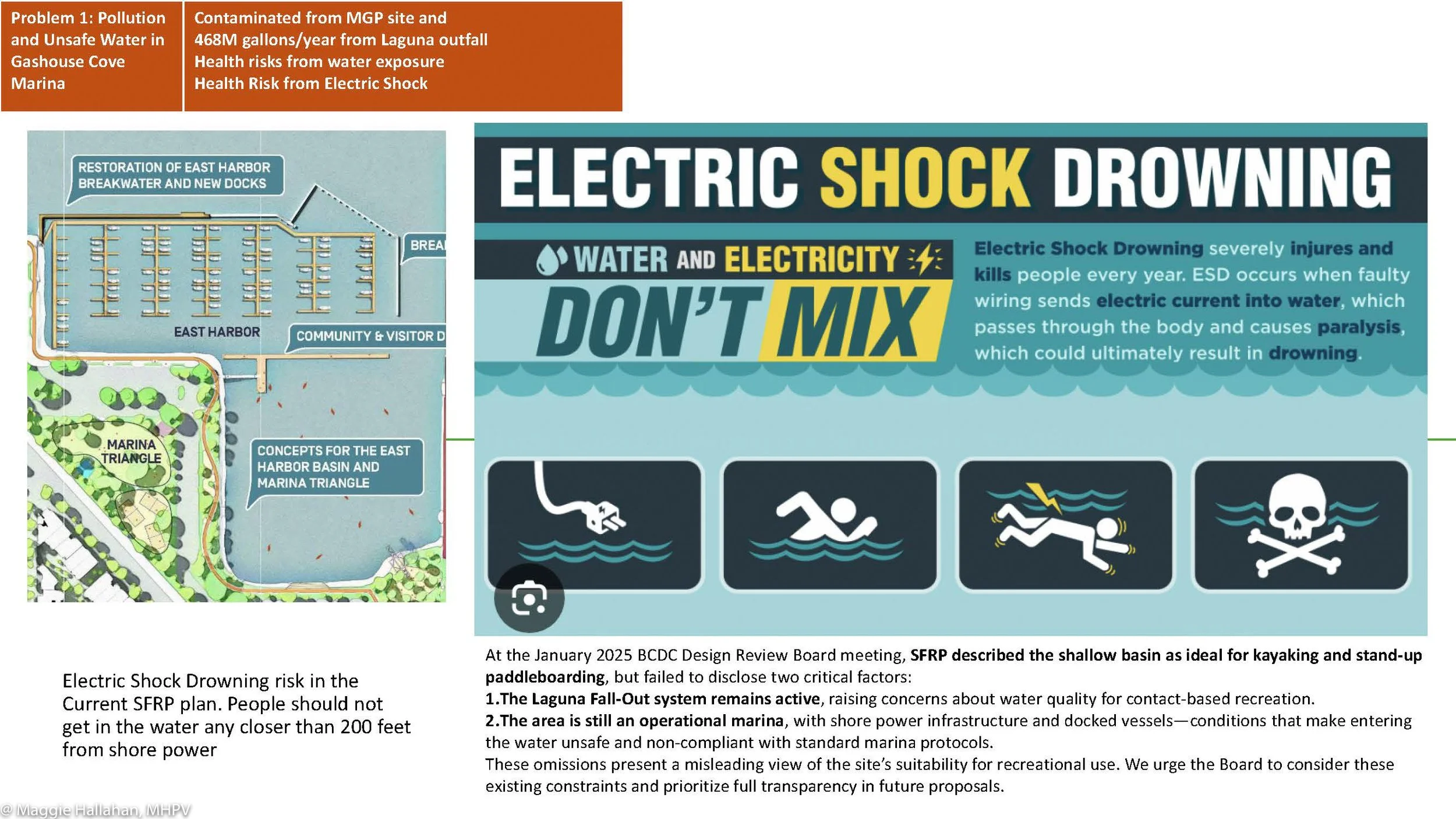
The plan promotes Gashouse Cove as a space for kayaking and stand-up paddleboarding. But this raises serious concerns:
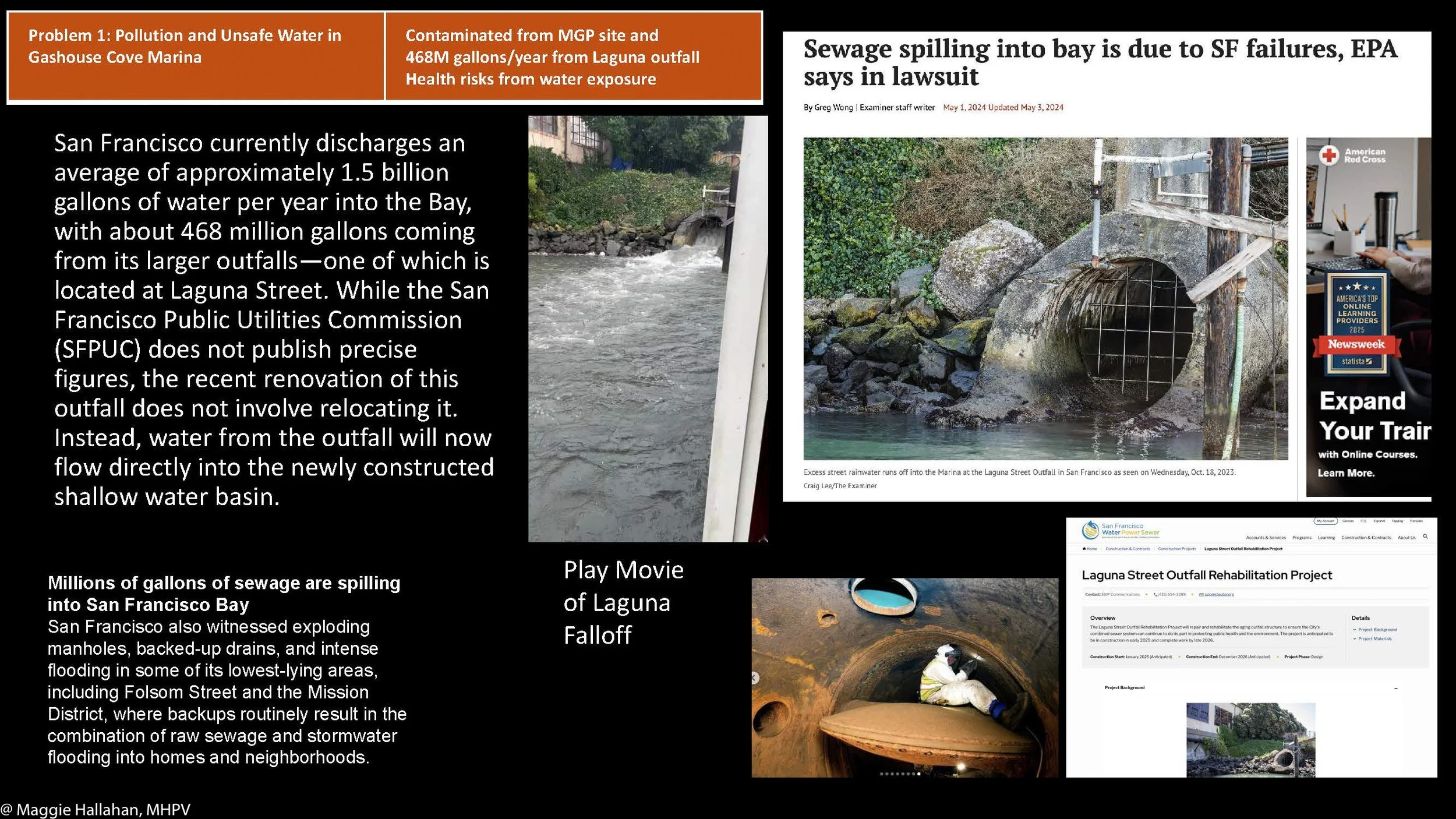
Water quality is impacted by nearby sewer outfalls and overflow events
The usable area is small and constrained
The entrance to open bay water can be hazardous, especially for inexperienced users
Presenting this as a safe, accessible Rec-1 water recreation area without addressing these realities is misleading. This is not a beginner-friendly environment—it is a compromised one.
Safety Is Being Compromised
At the same time, critical infrastructure is being moved or eliminated. Gashouse Cove Fuel Dock, SF only Public Boat lift and North SF Maritime Emergency Dock.
Over the past decade, conditions have worsened following the failure of the floating wave break system, which cost millions but did not provide lasting protection. As a result, the West Harbor entrance is frequently partially blocked by sediment buildup, further restricting navigation.
With ongoing sand accumulation in the Bay, it is critical to ask whether the SFRP plan will meaningfully address long-term sedimentation and access challenges.
A Legal Obligation Being Ignored
The Marina sits on Public Trust lands. By law, it must support:
Water-dependent use
Public access
Aquatic recreation
Not pay-to-use barriers.
What is happening now is a shift away from those obligations.
What Kind of Marina Are We Building?
San Francisco’s Marina is at a crossroads.
It can remain a working waterfront—where people learn, launch, and participate. Or it can become a curated shoreline—where access is limited, costs are high, and the public is pushed out of the very space it paid for.
Right now, the direction is clear:
Less access. More restrictions. Higher costs.
What began as a limited remediation effort has expanded into a sweeping redesign—one that the public has not been meaningfully invited to question.
If the City is prepared to spend $220 million on the Marina—$160 million of it coming from PG&E—it should honor the commitments outlined on pages one and two of the PG&E agreement: to expand water access, not reduce it. Yet the current plan proposes eliminating 30% of slips, removing San Francisco’s only on-the-water gasoline and diesel fuel dock, and dismantling a critical maritime safety and emergency extraction point.
These are not minor changes. Yet SFRP is relying on a 2008 Environmental Review Addendum—originally approved for a much smaller remediation scope—to advance a far more expansive and consequential plan. In doing so, SFRP is fundamentally reshaping who can access the water and how.
Once water access is lost, it is extraordinarily difficult—if not impossible—to restore. That reality demands a far more transparent and accountable process before irreversible decisions are made.
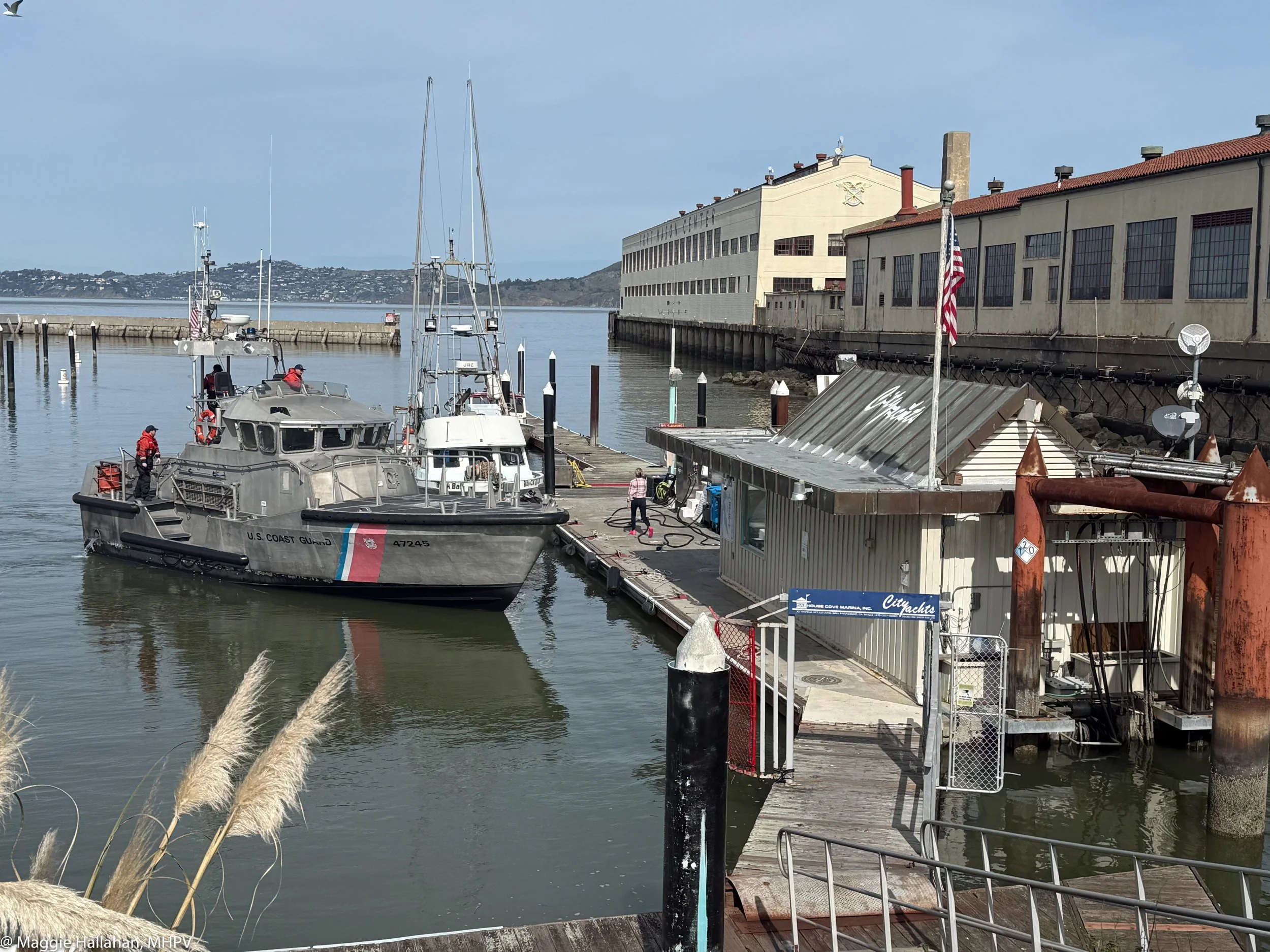
5 Gashouse Cove Fuel Dock
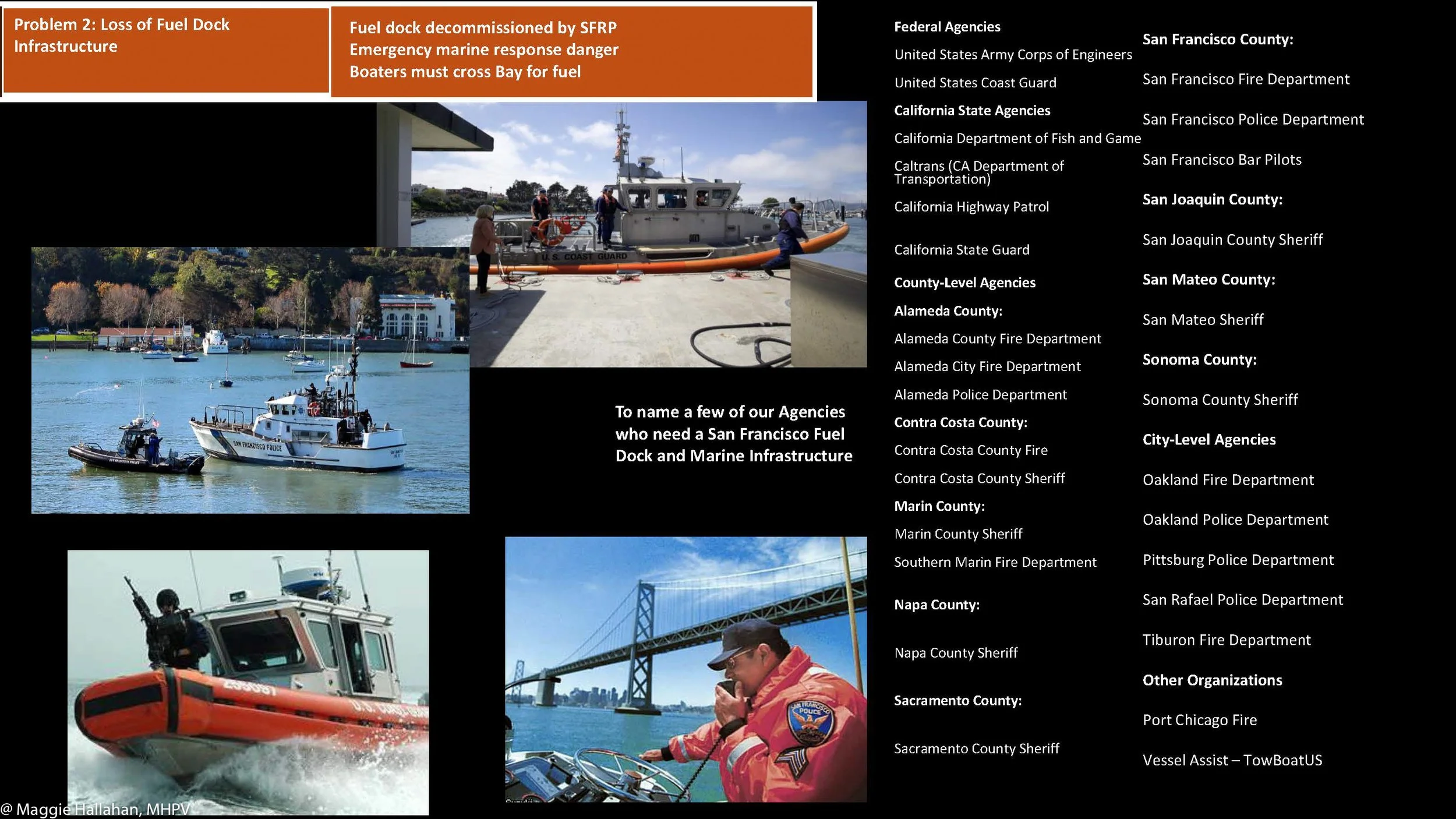
A United States Coast Guard cutter makes a vital stop at the Gashouse Cove Fuel Dock in San Francisco to take on much-needed diesel fuel. This operation highlights the importance of local maritime facilities in supporting national security efforts, ensuring that the Coast Guard remains ready to guard one of the nation’s most iconic landmarks and busiest waterways.
A Threat to Public Access and Safety
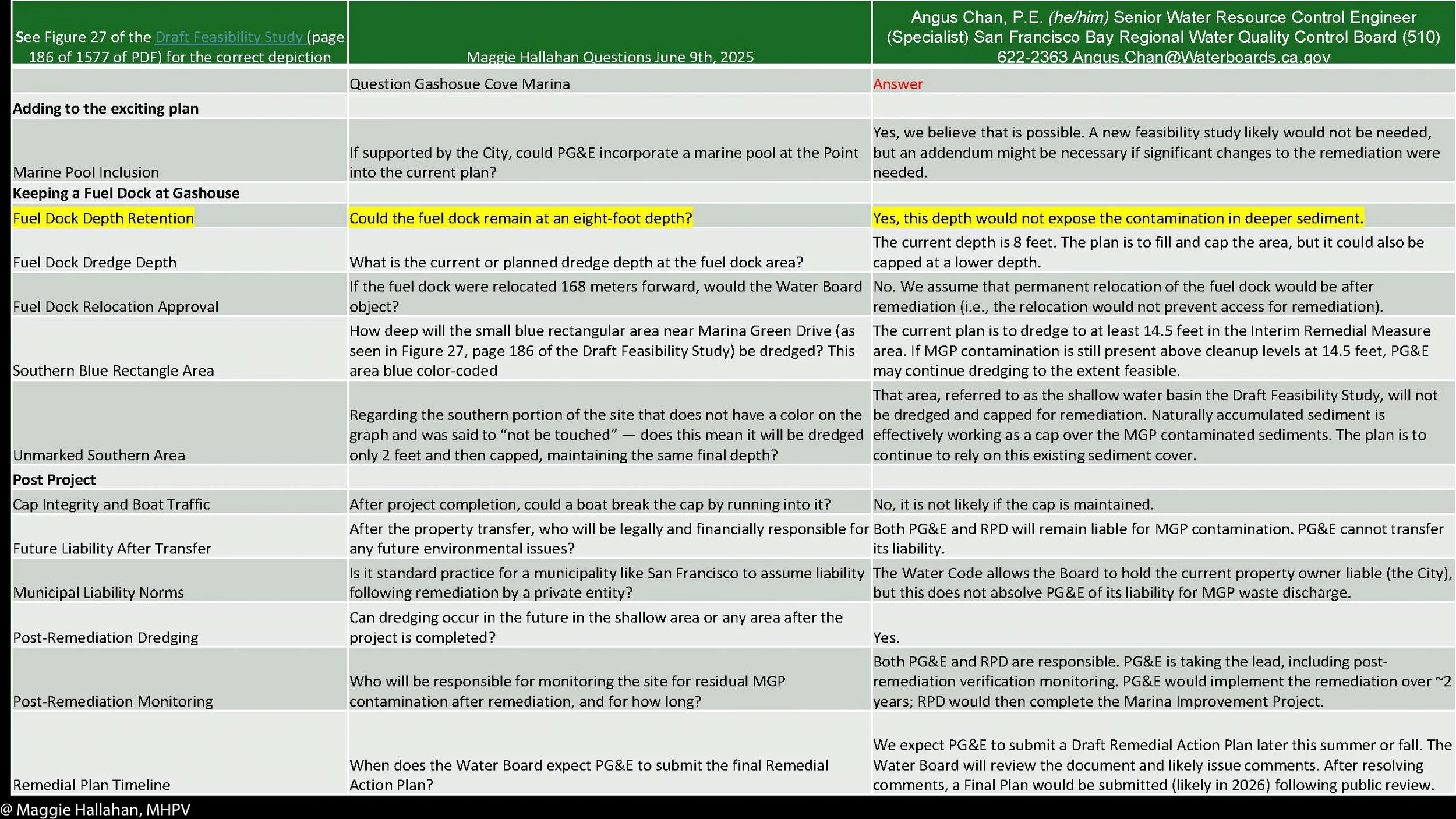
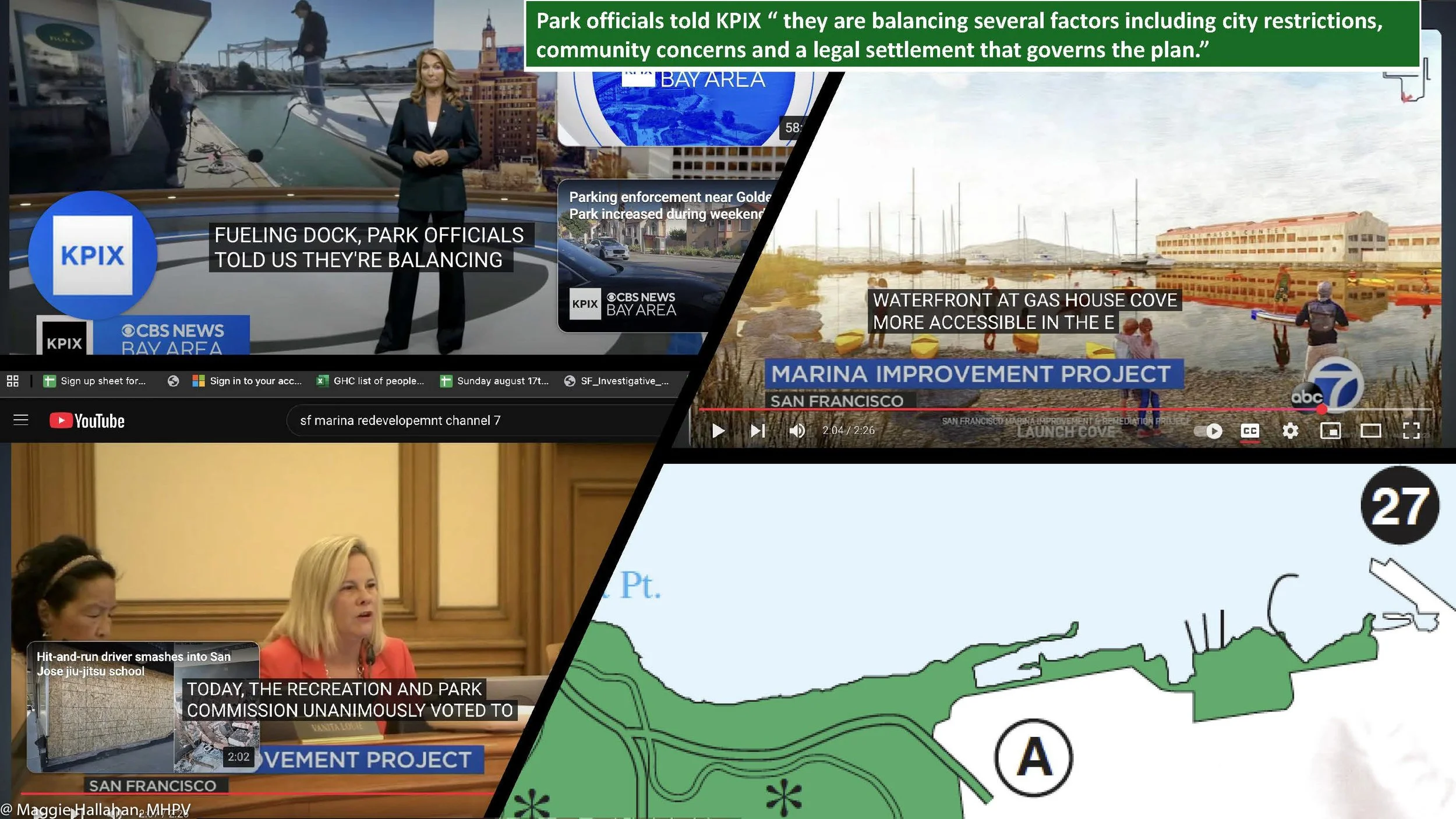
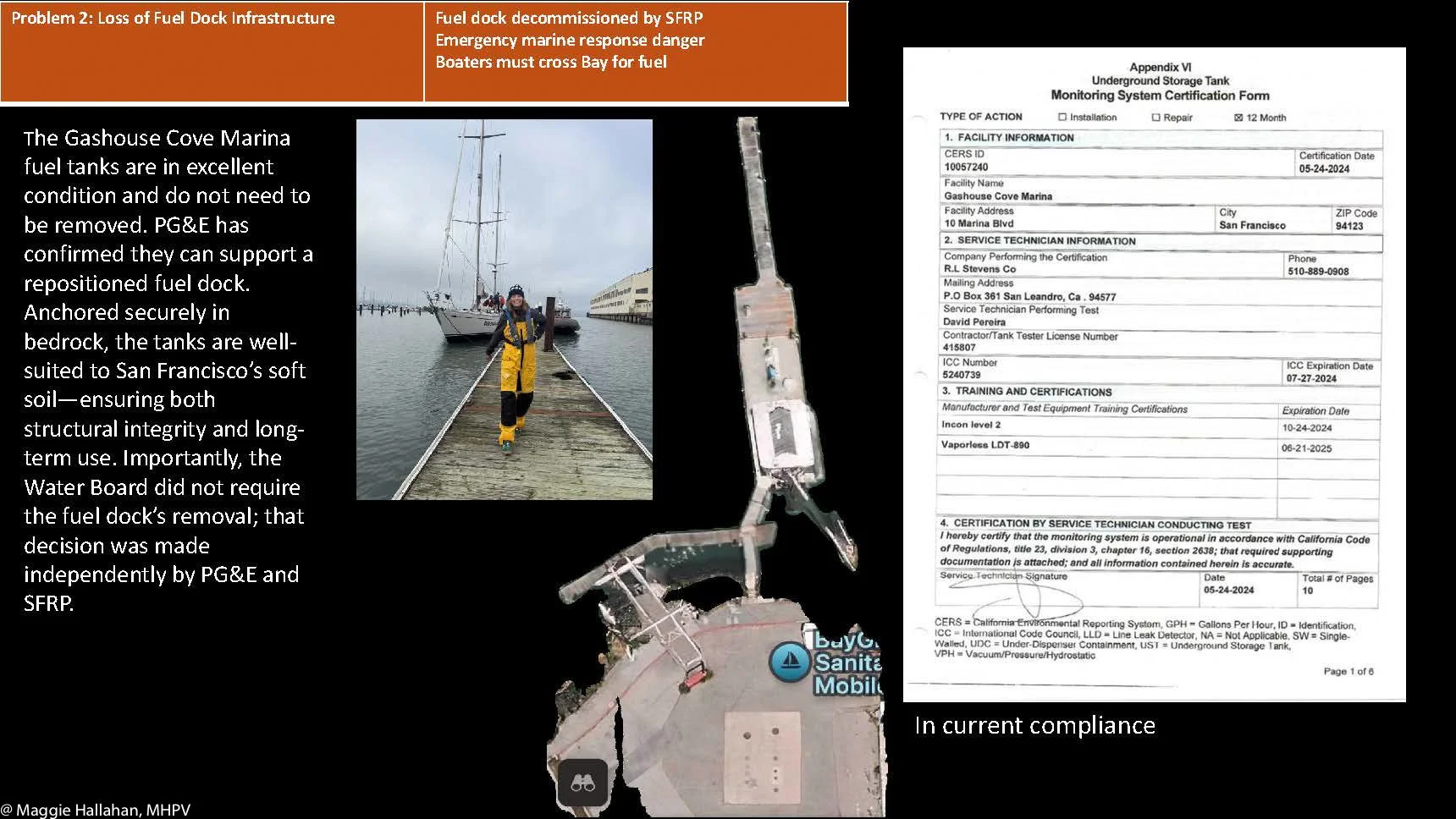
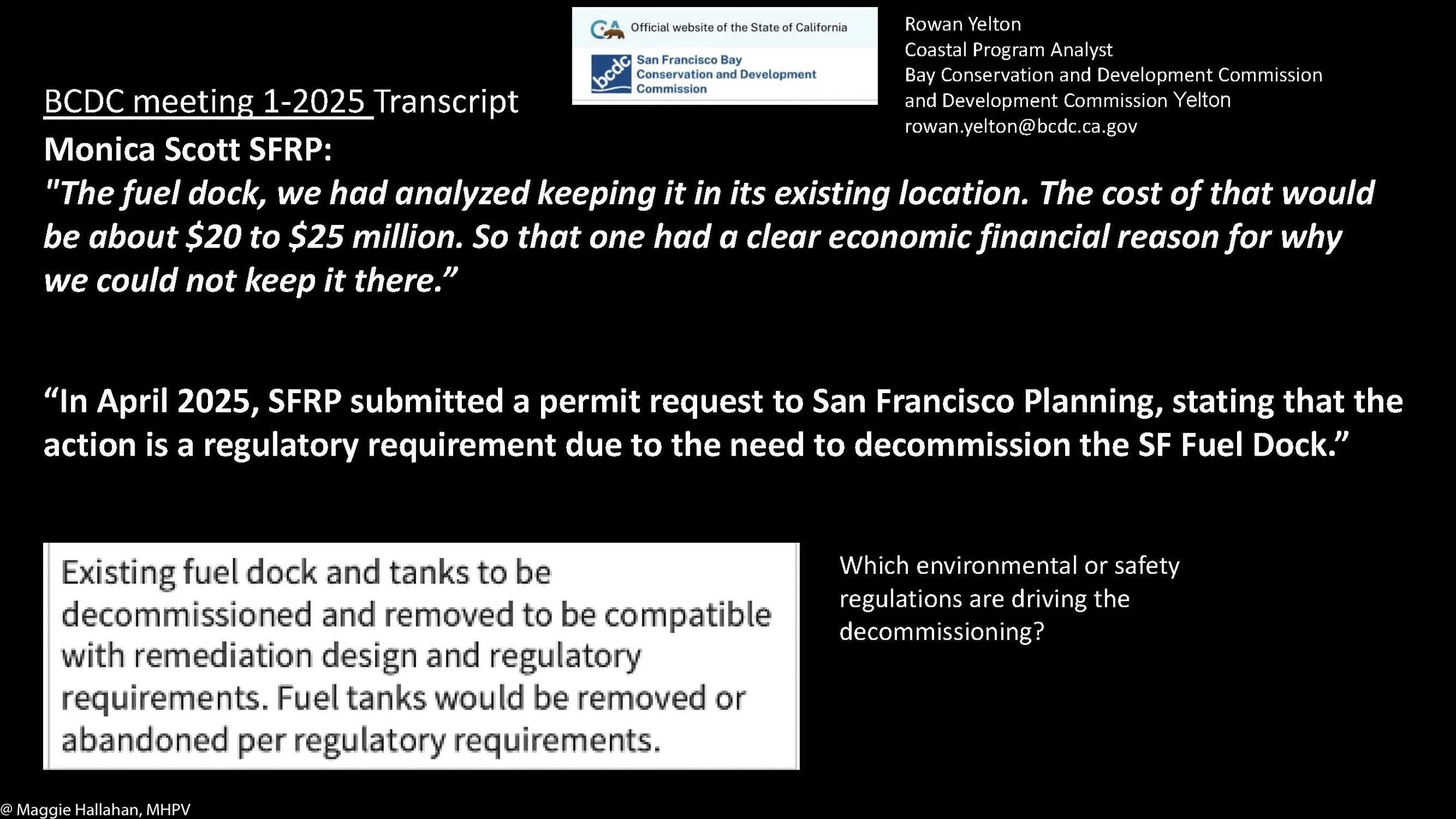
The San Francisco Recreation and Park Department (SFRP) is advancing a plan that threatens Gashouse Cove by falsely claiming the fuel dock must be removed for the PG&E cleanup. In fact, the California Water Board has confirmed that PG&E’s cleanup does not require removing the dock. It can remain in place saving taxpayers money.
If SFRP’s plan proceeds, San Francisco will lose 30% of its water access while taxpayers face $4 million a year in debt for the next 30 years. By the end of 2025, the SFRP governing commission could approve the request to begin remediation of Gashouse Cove at SF Marina and decommission the only San Francisco fuel dock.
Why Gashouse Cove Matters
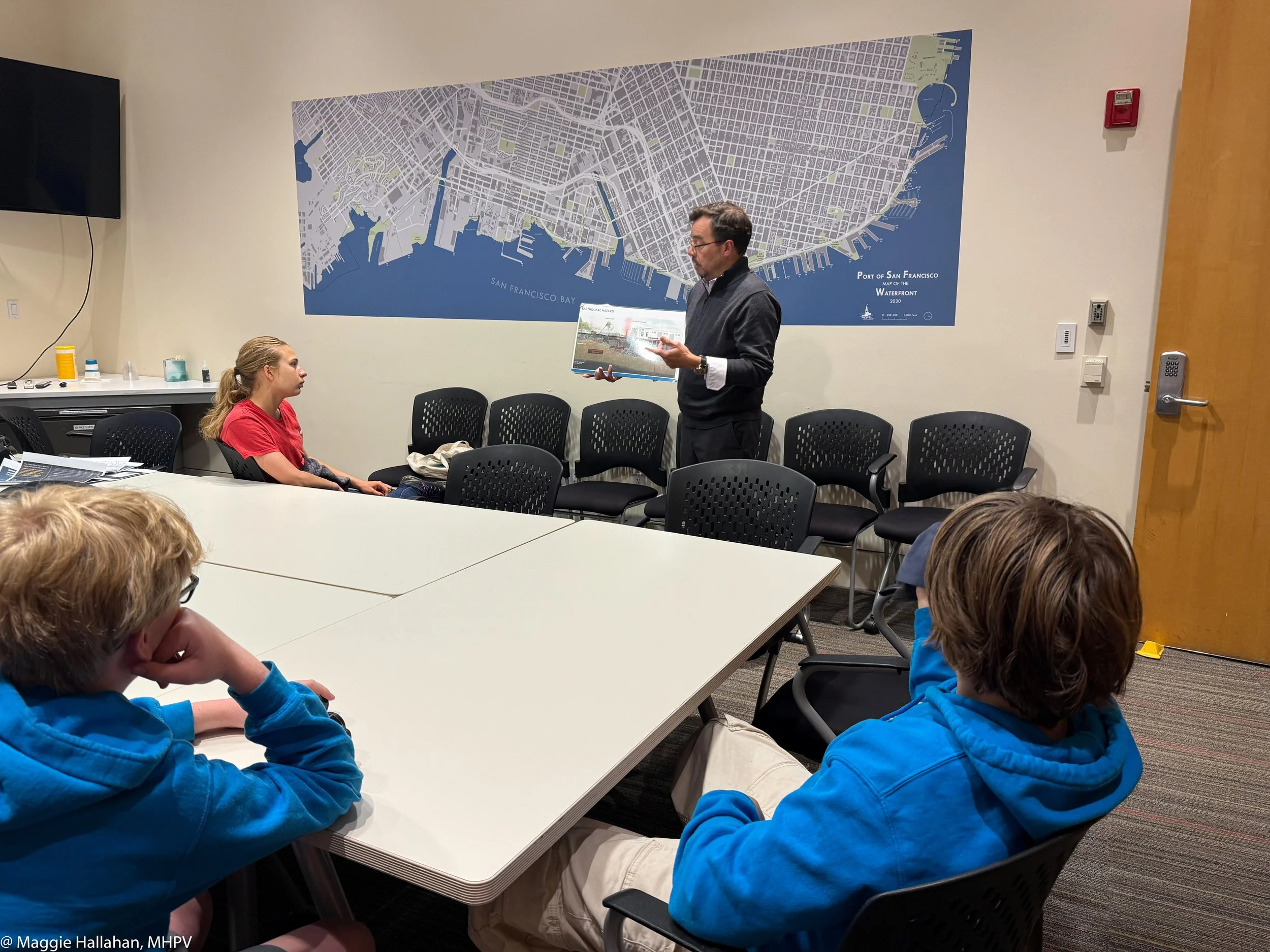
27 Jurisdiction of the Port of San Francisco
The SF Bay Youth Maritime Advocates met with Luiz Barata, Senior Planner and Urban Designer for the Port of San Francisco. They learned a great deal about the Port’s plans for the future of the San Francisco waterfront. However, he was not able to answer the youths’ question about the Port’s responsibilities for the waterfront area northwest of Hyde Street Pier, nor were they able to learn what plans the Port of San Francisco has for maintaining access to the gasoline and diesel fuel dock.
15 U.S. Army Corps of Engineers Potentially Partners with Sea Scouts on San Francisco’s Longstanding Maritime Legacy
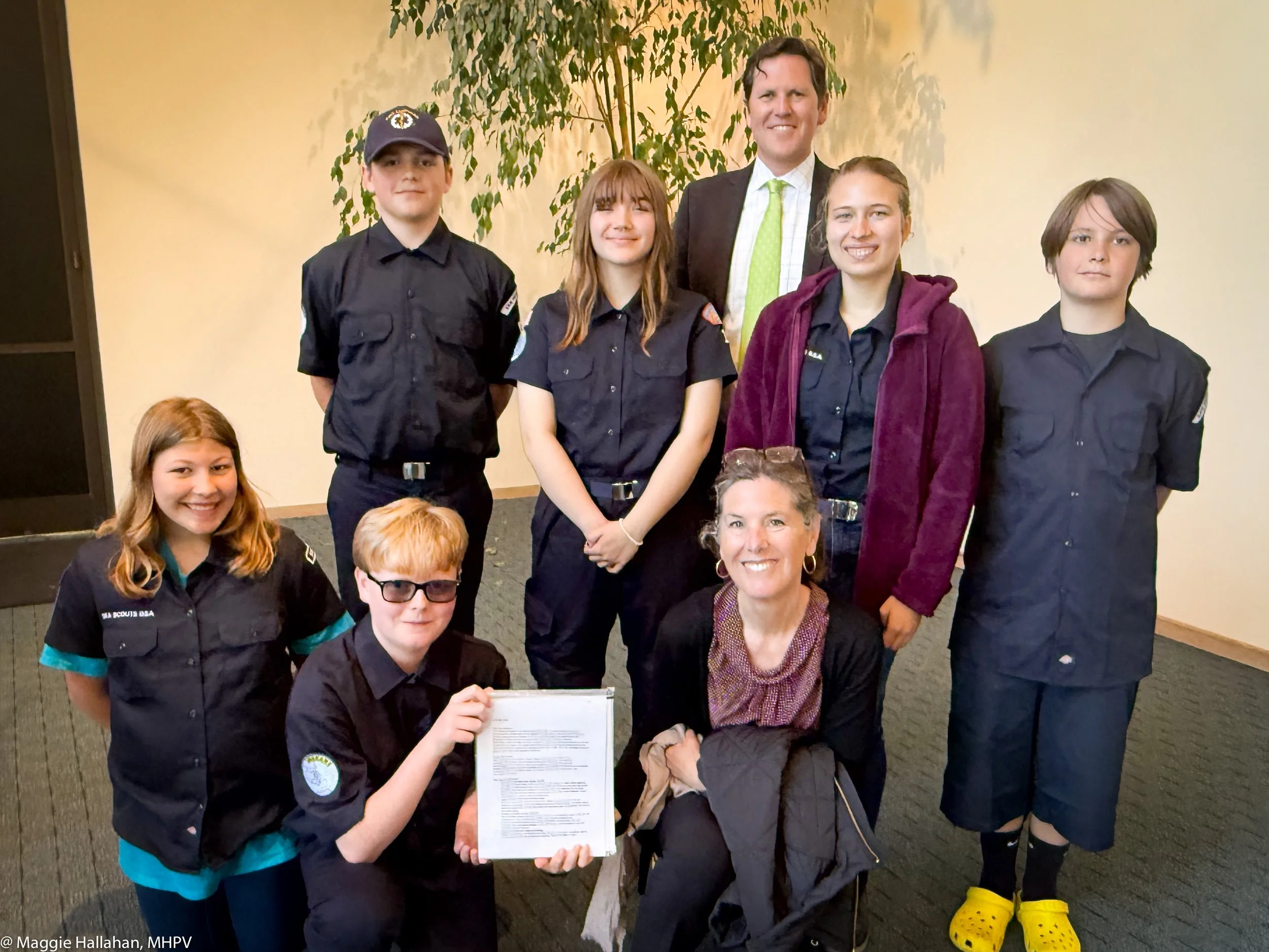
Tommy Williams, Deputy District Engineer, U.S. Army Corps of Engineers San Francisco District, and Juliette Hayes, Regional CAP Production Center Manager & SPN CAP and TOPPs Branch Chief, acknowledged receipt of a Continuing Authorities Program (CAP) request from Steve Welch, Golden Gate Area Council Sea Scout Committee Chair. This step opens the door for a potential partnership with the Sea Scouts, who have been an enduring presence at the SF Marina and Aquatic Park Cove for more than eleven decades.
16 Maritime Youth Advocates Highlight Need for Fuel Dock Access Before SF Bay Harbor Safety Committee
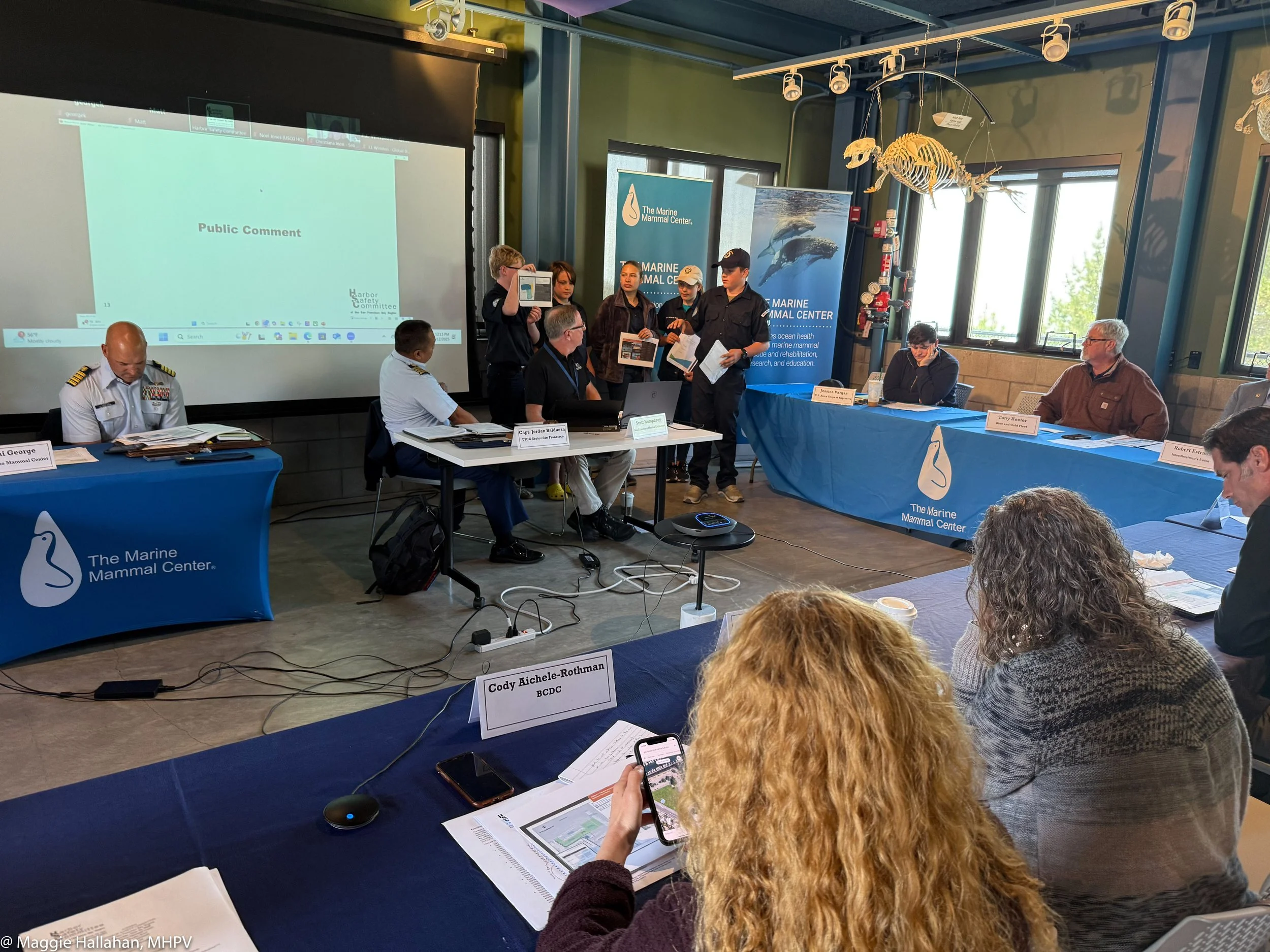
The Maritime Youth Advocates addressed the San Francisco Bay Harbor Safety Committee, emphasizing the need to maintain access to gasoline and diesel fuel docks in San Francisco. Speaking before port leaders and federal agencies such as the U.S. Coast Guard and U.S. Army Corps of Engineers, they highlighted how reliable fuel dock infrastructure supports maritime safety, small craft operations, and the vitality of the Bay’s maritime community.
21 Maritime Youth Advocates Interview California Boating & Waterways Chair on Submerged Land Rights
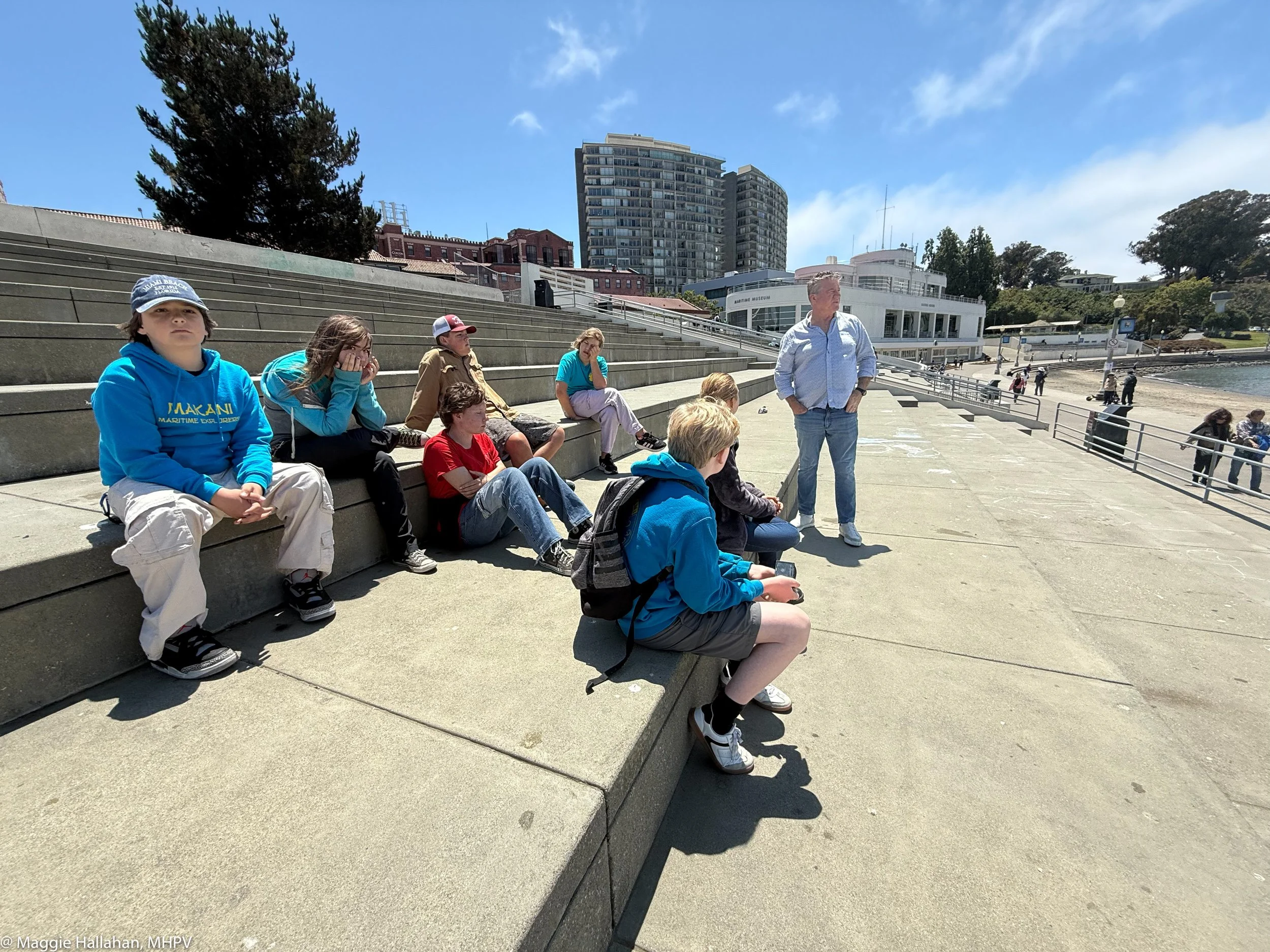
At San Francisco’s Aquatic Park, the Maritime Youth Advocates spoke with Tom Pier, San Francisco’s Maritime Attorney and Chair of the California Boating and Waterways Commission. In the interview, Mr. Pier discussed submerged water rights under the California State Lands Commission and the Port of San Francisco’s responsibilities under the Burton Act.
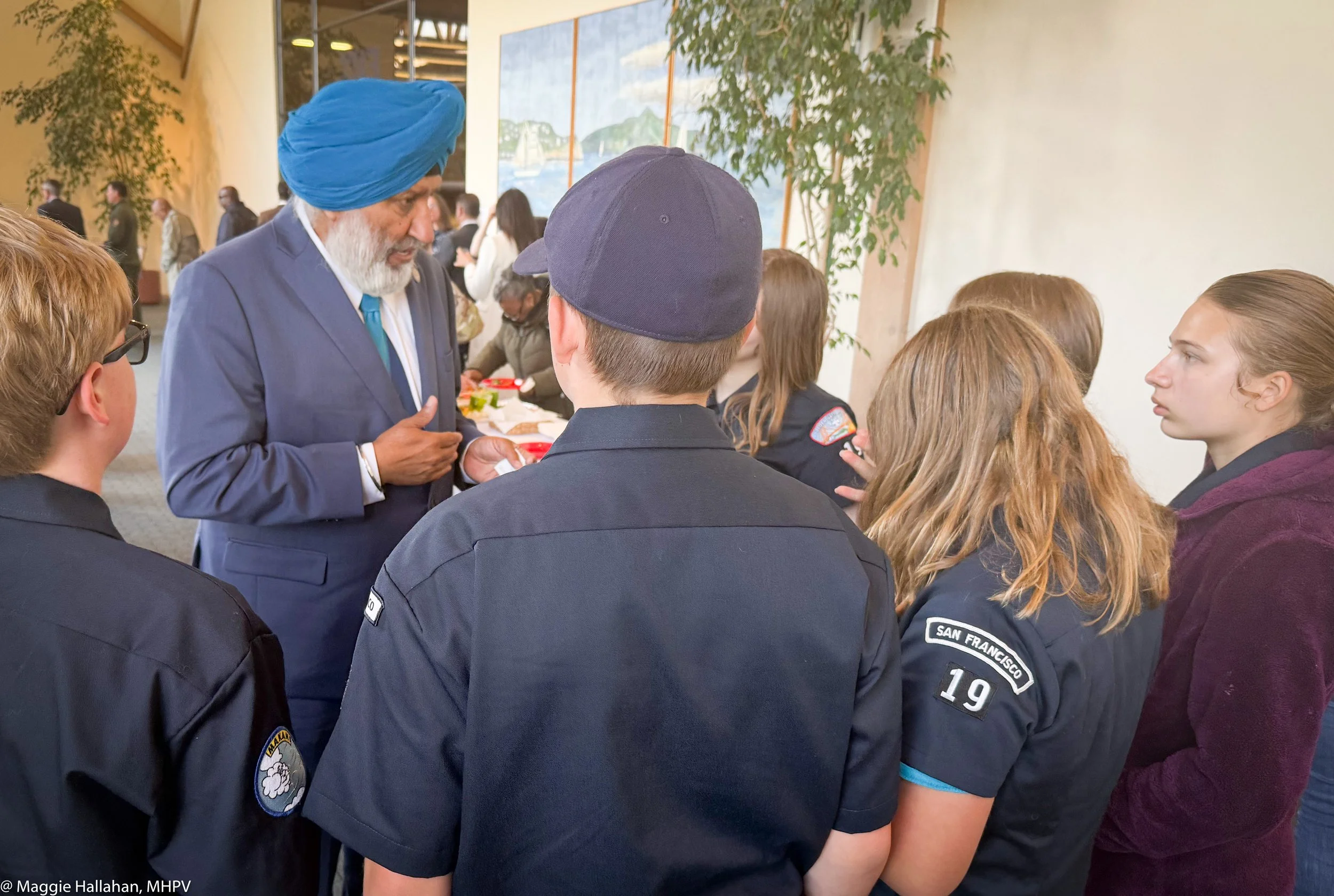
14 Harpreet S. Sandhu Engages San Francisco Bay Youth on the Great Ships Act and Future Maritime Training
Harpreet S. Sandhu, Senior District Representative from the Office of Congressman John Garamendi (CA-08), meets with San Francisco Bay Youth Maritime Advocates to discuss the upcoming Great Ships Act and the importance of strengthening youth maritime training in America. The youth shared their perspectives on maritime readiness, raising concerns about the availability of fuel reserves to ensure effective emergency response.

22 Maritime Youth Advocates Propose Marine Pool and Youth Maritime Center at Gashouse Cove
At the Sea Scout Base in San Francisco’s Aquatic Park, the Maritime Youth Advocates outlined their vision for expanding youth access to the waterfront. Their proposal includes creating a marine pool and a dedicated youth maritime center at Gashouse Cove to support training, recreation, and community engagement on the Bay.
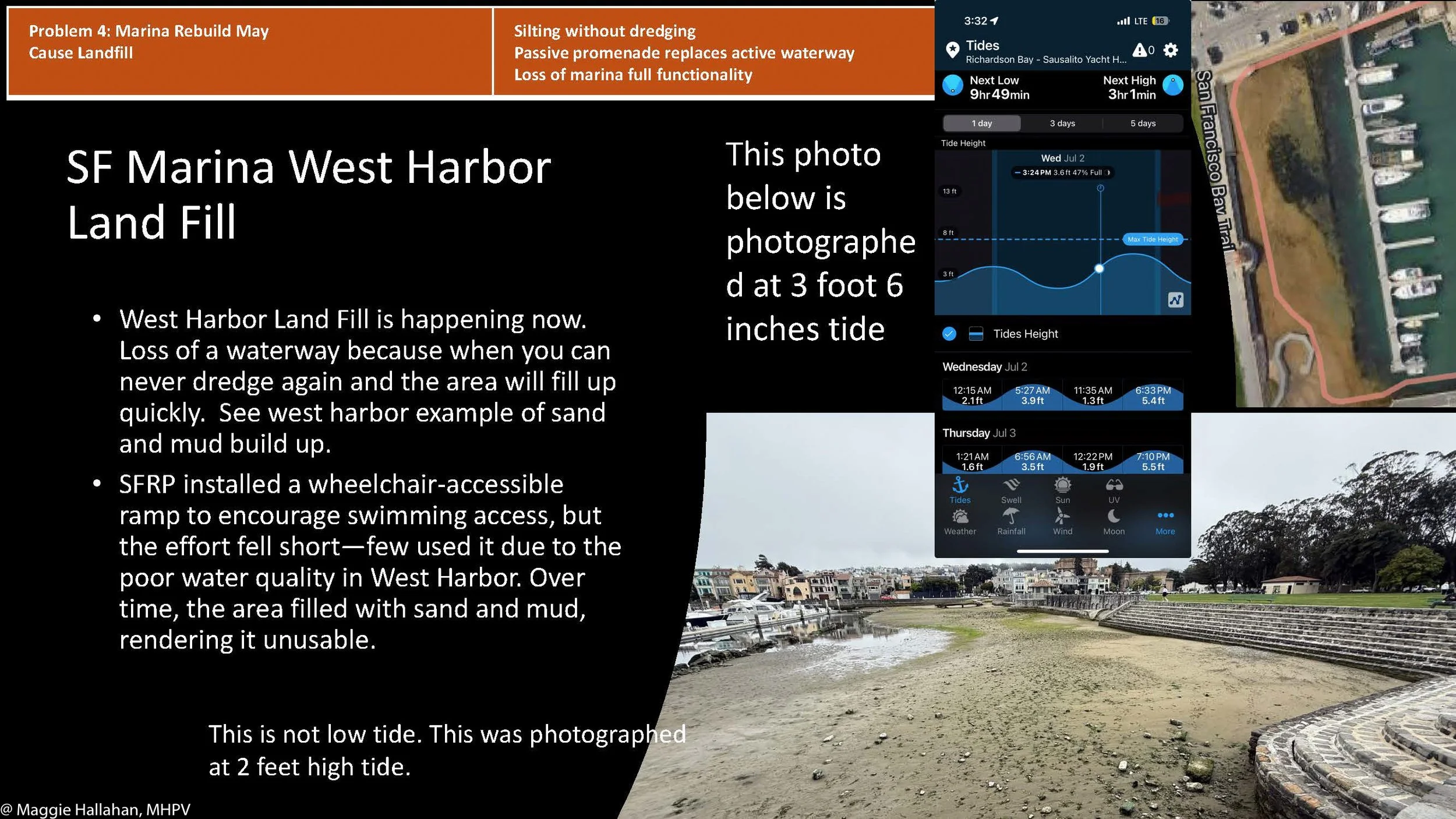

24 Youth Learn Water Safety and Seamanship at Black Point
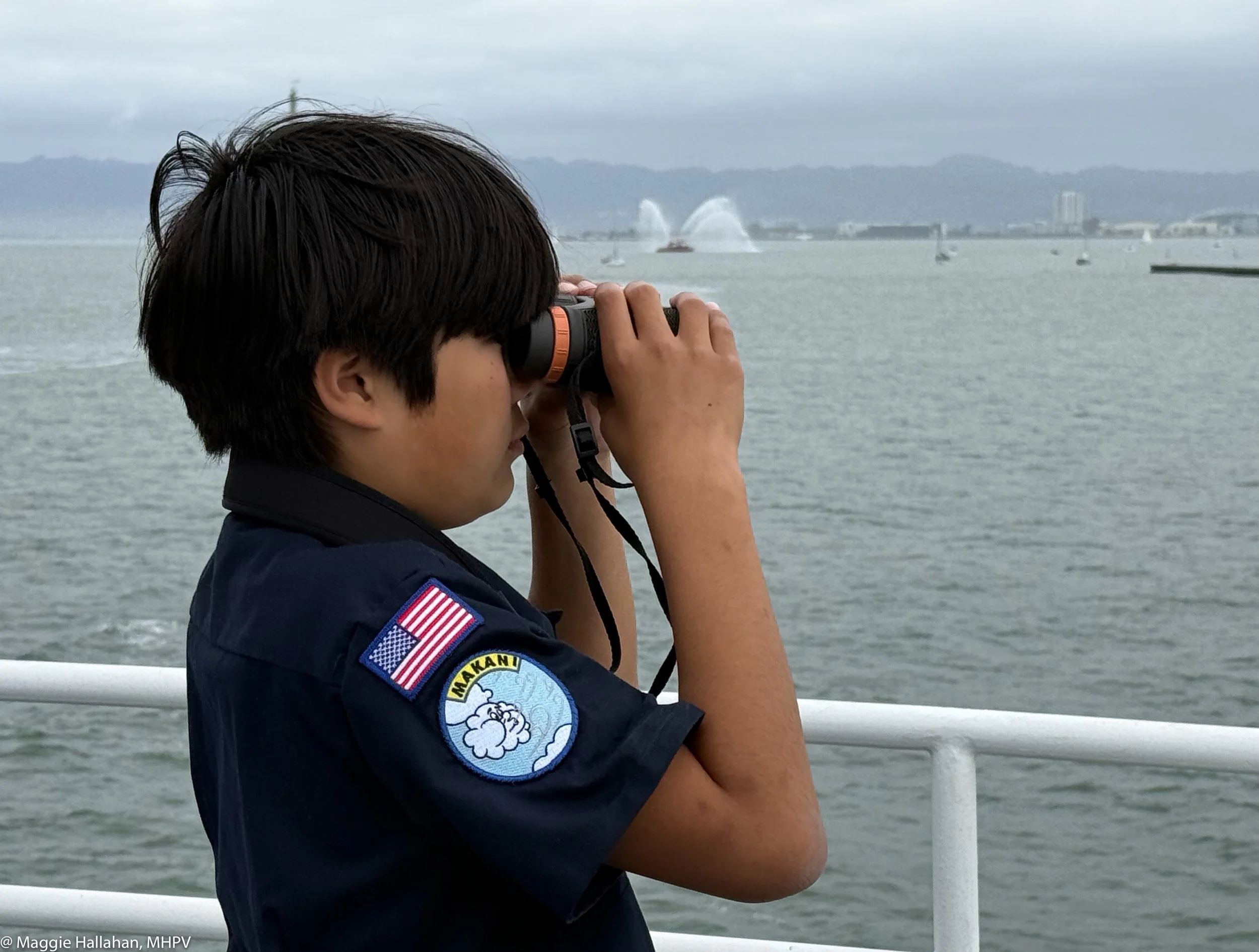
Maritime Youth Advocates engaged in hands-on training around Black Point, focusing on water safety, understanding currents, winds, and tides. The program strengthens seamanship skills while building confidence and awareness on the waters of San Francisco Bay.
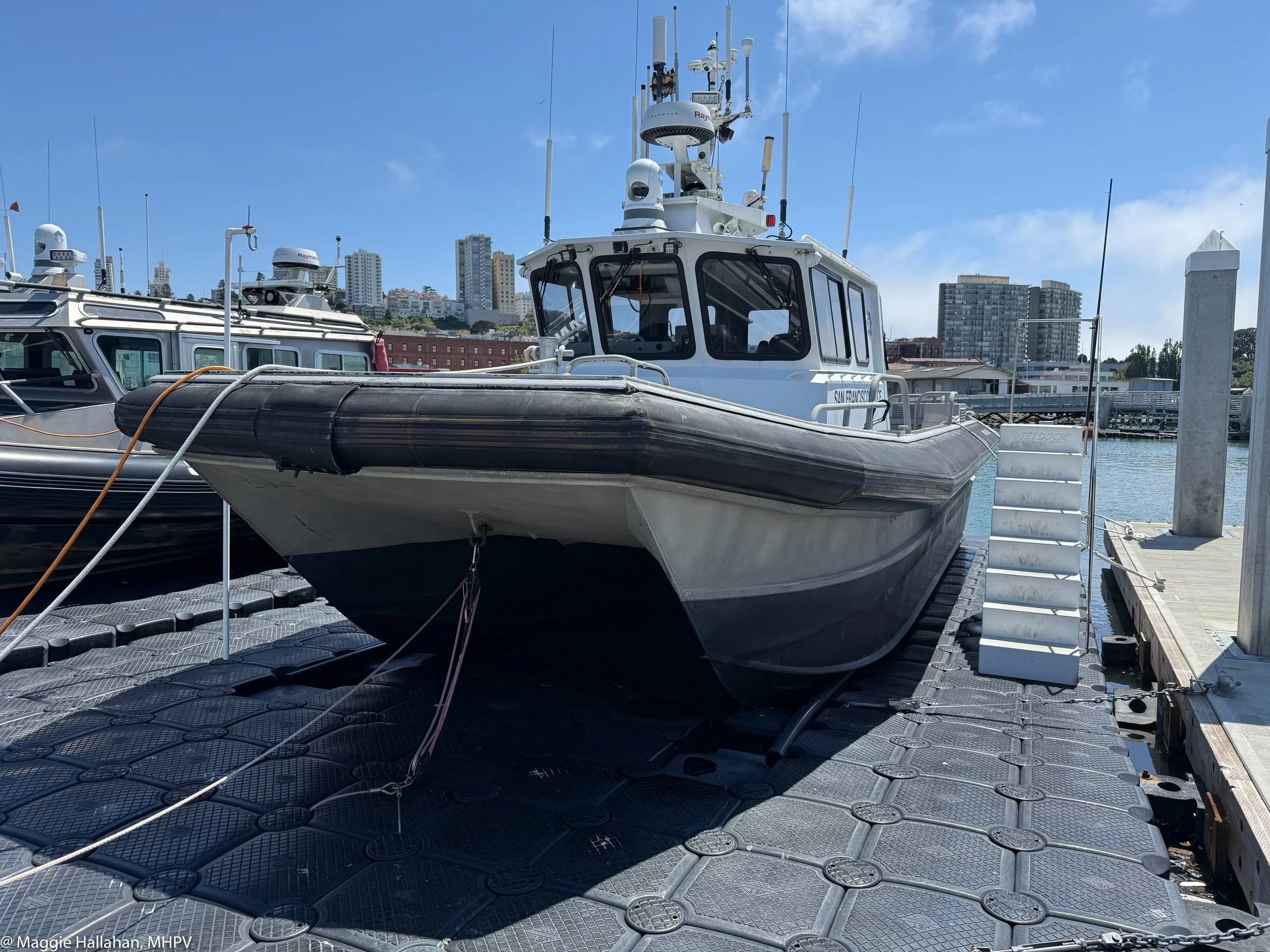
11 Critical Fuel Access at Risk for San Francisco Maritime Police Vessels
The San Francisco maritime police boats operate on both gasoline and diesel, as do roughly half of the vessels berthed in the city. If the Gashouse Cove Gas and diesel Fuel Dock is decommissioned, emergency service boats, recreational craft, and bridge maintenance vessels would be forced to travel to Sausalito or Emeryville for refueling. The loss of this local fueling option would cause significant operational delays, undermining public safety, infrastructure maintenance, and access for the broader boating community.

10 Youth Maritime Advocates Call for Proper Fuel Dock at Port of San Francisco
The SF Bay Youth Maritime Advocates are engaging with other young people to raise awareness about the challenges posed by the current diesel fuel delivery system at the Port of San Francisco. Fishing vessels are forced to rely on an over-water fuel delivery method that many describe as unsatisfactory and inadequate. This delivery system—available only two to three times per week—is difficult for working vessels to plan around. Advocates emphasize that the absence of a proper fuel dock not only complicates operations for fishermen but also limits accessibility and opportunities for the broader maritime community.
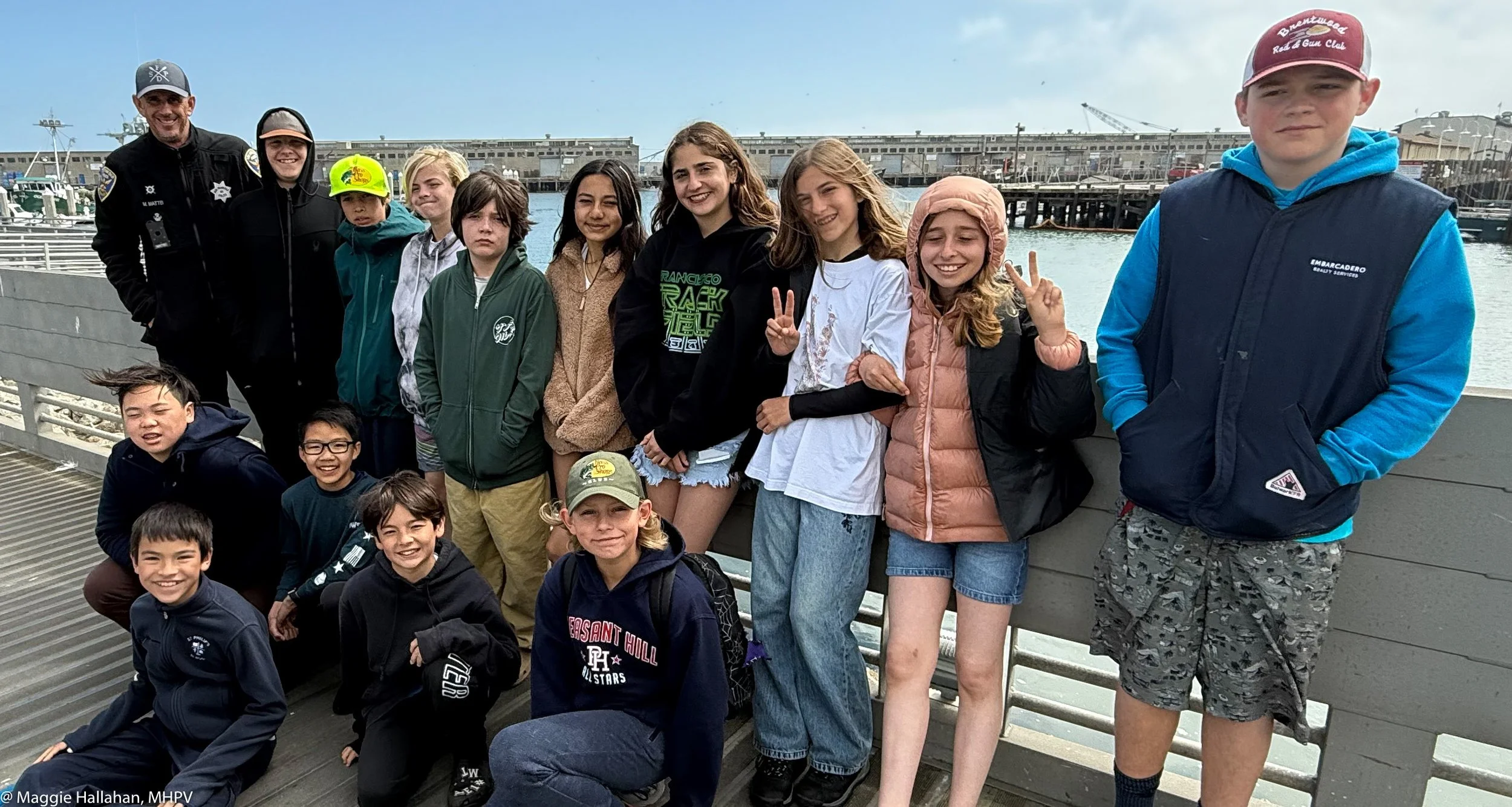
12 San Francisco Youth Visit Maritime Police Dock and Station A group of San Francisco youth visited the city’s maritime police dock and station to learn about the vital role these vessels and crews play in maintaining safety on the Bay. The visit to the Port of San Francisco fisherman’s wharf provided young people with an inside look at emergency response operations, the importance of fuel access for patrol and rescue boats, and opportunities for youth engagement in maritime careers and public service.
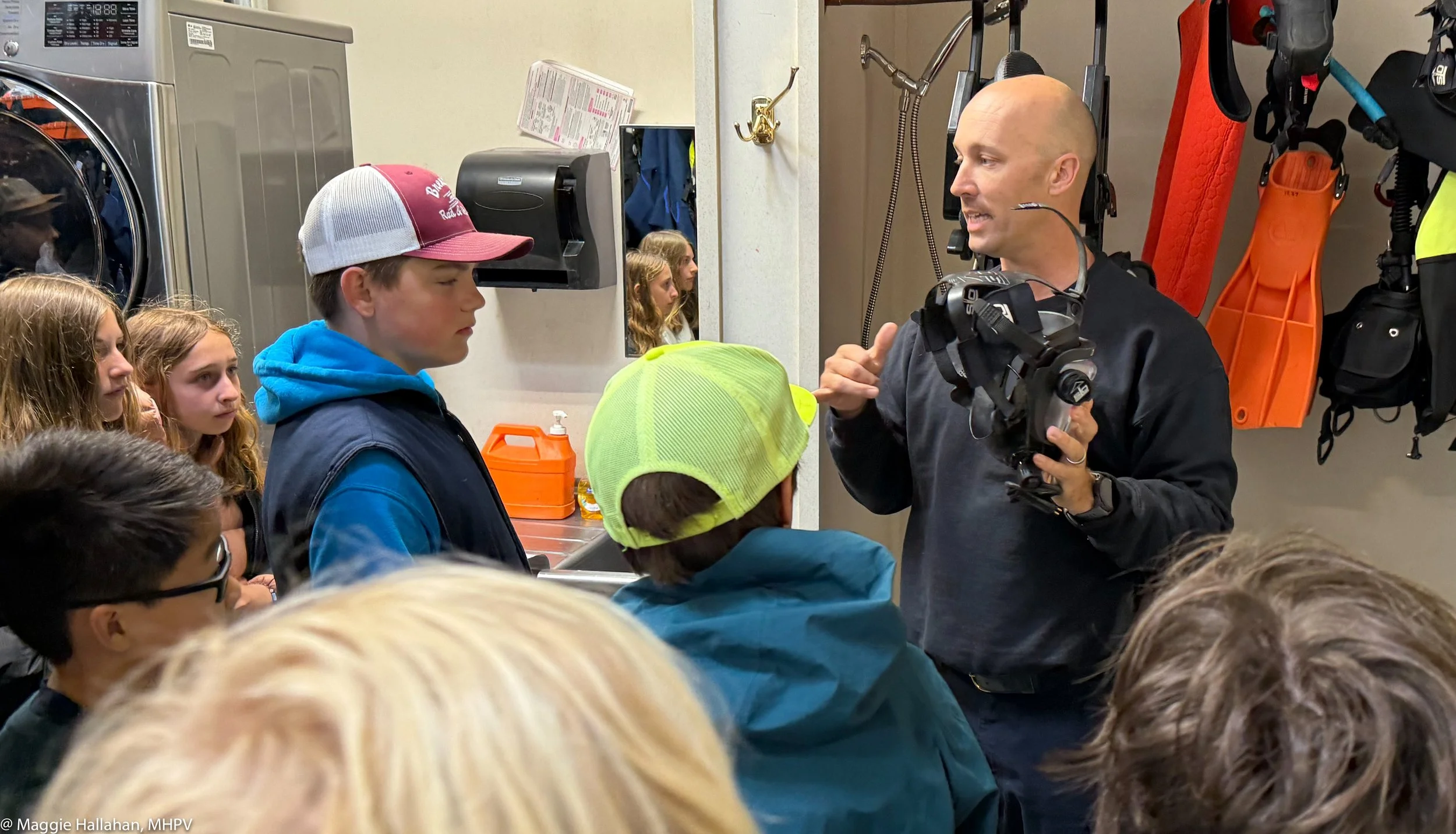
13 San Francisco Youth Visit Maritime Police Dock and Station
During a visit to the San Francisco Maritime Police Station at Fisherman’s Wharf, Sergeant Bushnell introduced local youth to the high-tech processes used to save lives on the Bay. The tour gave participants an inside look at emergency response operations, highlighted the importance of fuel access for patrol and rescue boats, and underscored the vital role of maritime police in maintaining safety. The experience also encouraged youth to consider future engagement in maritime careers and public service.
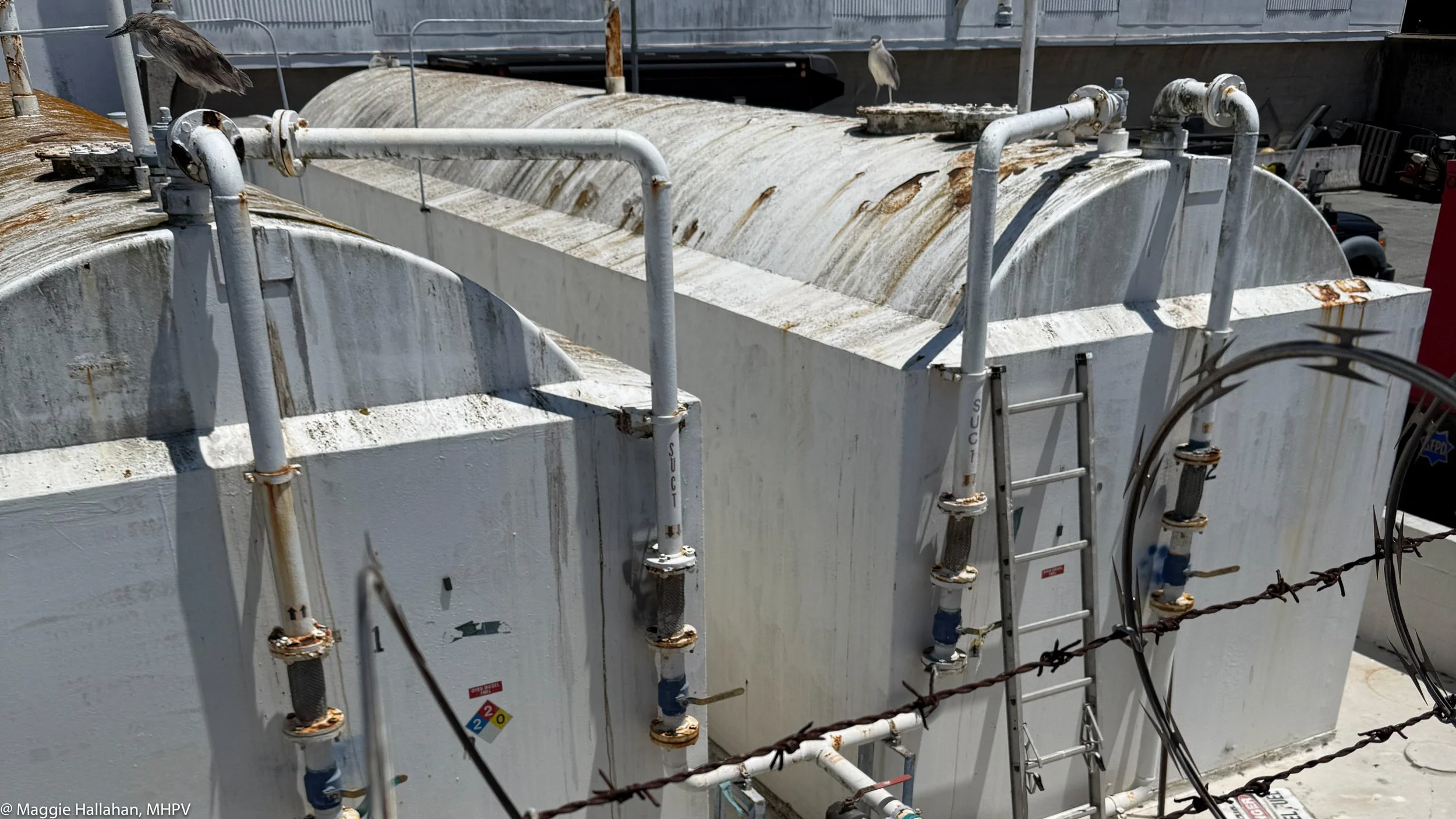
9 Maxum Port San Francisco Fuel Tanks in Disrepair
At the Port of San Francisco, Maxum maintains two above-ground diesel fuel tanks, each with a 10,000-gallon capacity. These tanks have been out of service for an extended period and are now in visible disrepair due to lack of use and maintenance. Their condition raises concerns about safety, environmental risk, and the long-term future of fuel storage infrastructure at the site.
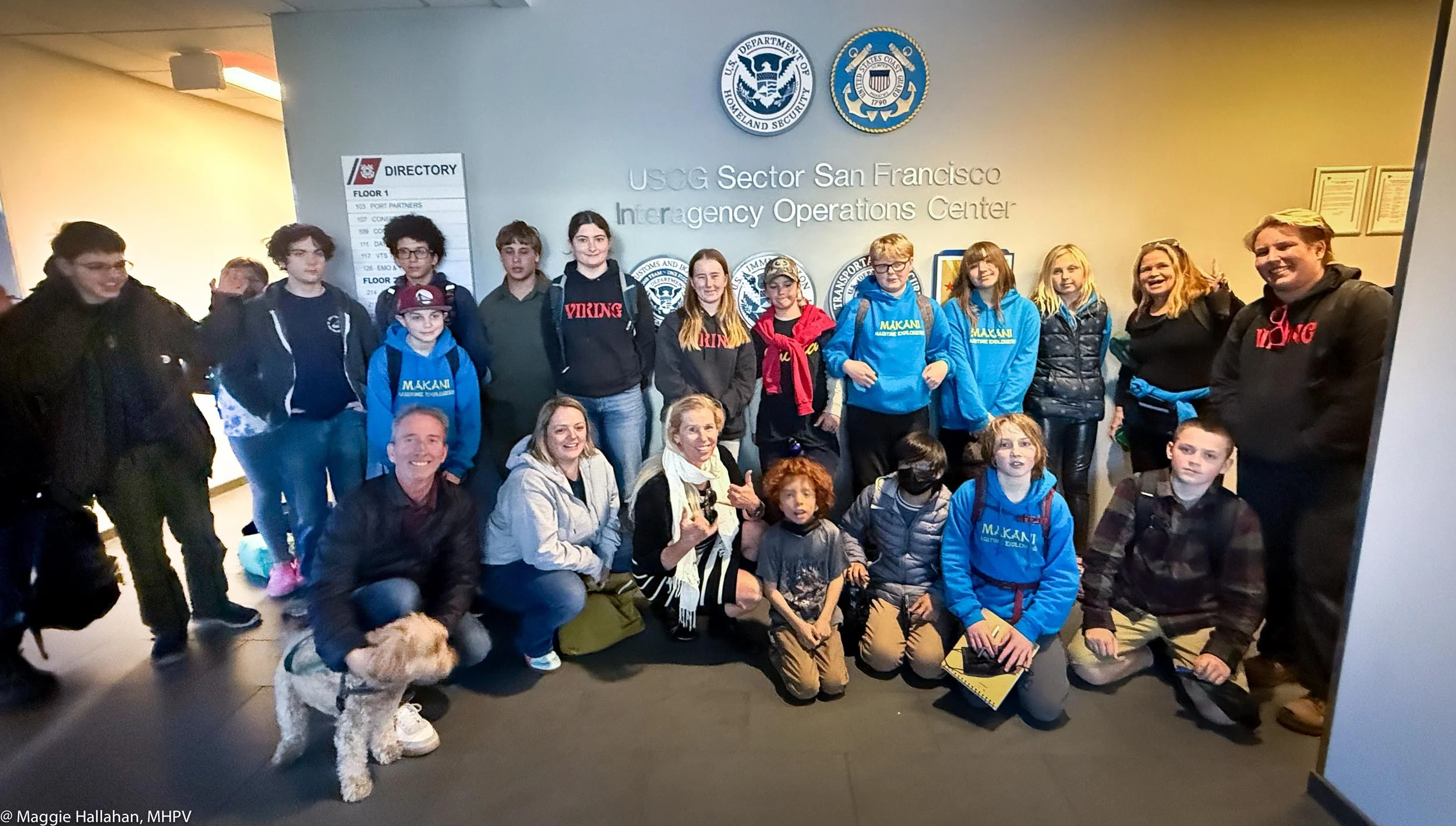
29 Youth Maritime Advocates Tour Coast Guard Vessel Traffic Service
The Youth Maritime Advocates received a tour of the Vessel Traffic Service (VTS) San Francisco, a U.S. Coast Guard operation that monitors and manages maritime traffic in the Bay Area. VTS focuses on the area around the Golden Gate Bridge to ensure safe and efficient navigation. Using radar, AIS, and VHF radio, the service tracks vessel movements, alerts mariners to potential hazards, and directs actions when necessary to prevent accidents in the complex waters of San Francisco Bay. During the visit, the youth spoke with Gary Reed, Director of VTS, about the need for a fuel dock in San Francisco. He explained that because fuel dock property decisions fall under state and city jurisdiction, VTS has no influence over regional land use—they are responsible solely for managing vessel traffic on the Bay.

Sea Scouts starting 1915 at Panama Pacific International Expo.

Lots of good idea could solve these problems facing Gashouse Cove

Forward QR to people
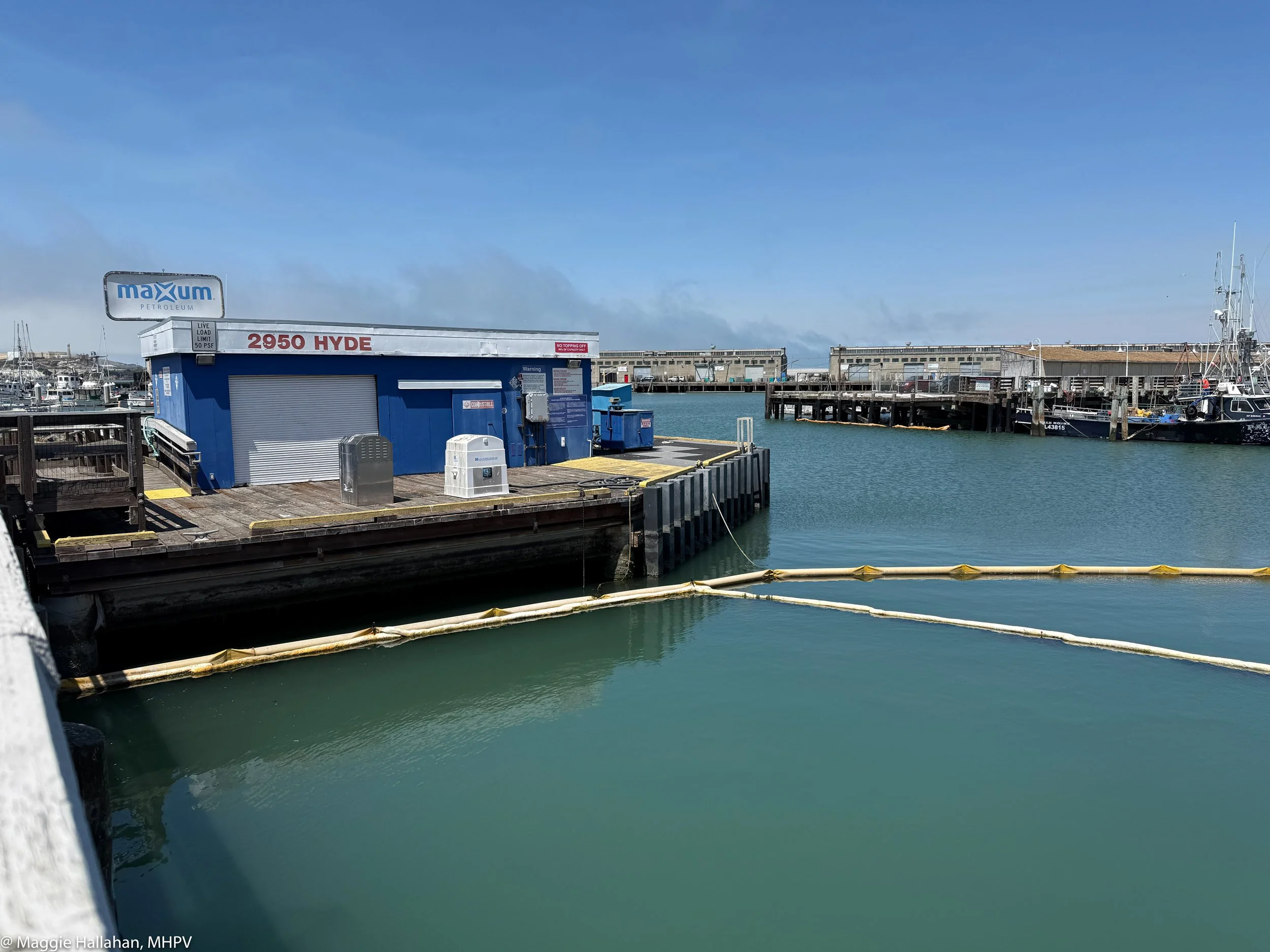
Maxum Fuel Dock – Port of San Francisco Diesel Fuel Leak Contained
On August 1, 2011, about 200 gallons of diesel leaked from a pipe at the Maxum Fuel Dock on Jefferson Street. The San Francisco Fire Department contained the spill before it reached the Bay or storm drains by deploying booms to prevent contamination.
There have also been other spills from the same area. The site is now subject to a court case:
CALIFORNIA REGIONAL WATER QUALITY CONTROL BOARD SITE CLEANUP REQUIREMENTS ORDER NO. R2-2024-XXXX For: Pilot Thomas Logistics, LLC and Port of San Francisco This order addresses cleanup responsibility. The Port of San Francisco maintains that it cannot pursue new fuel infrastructure until the lawsuit is resolved.
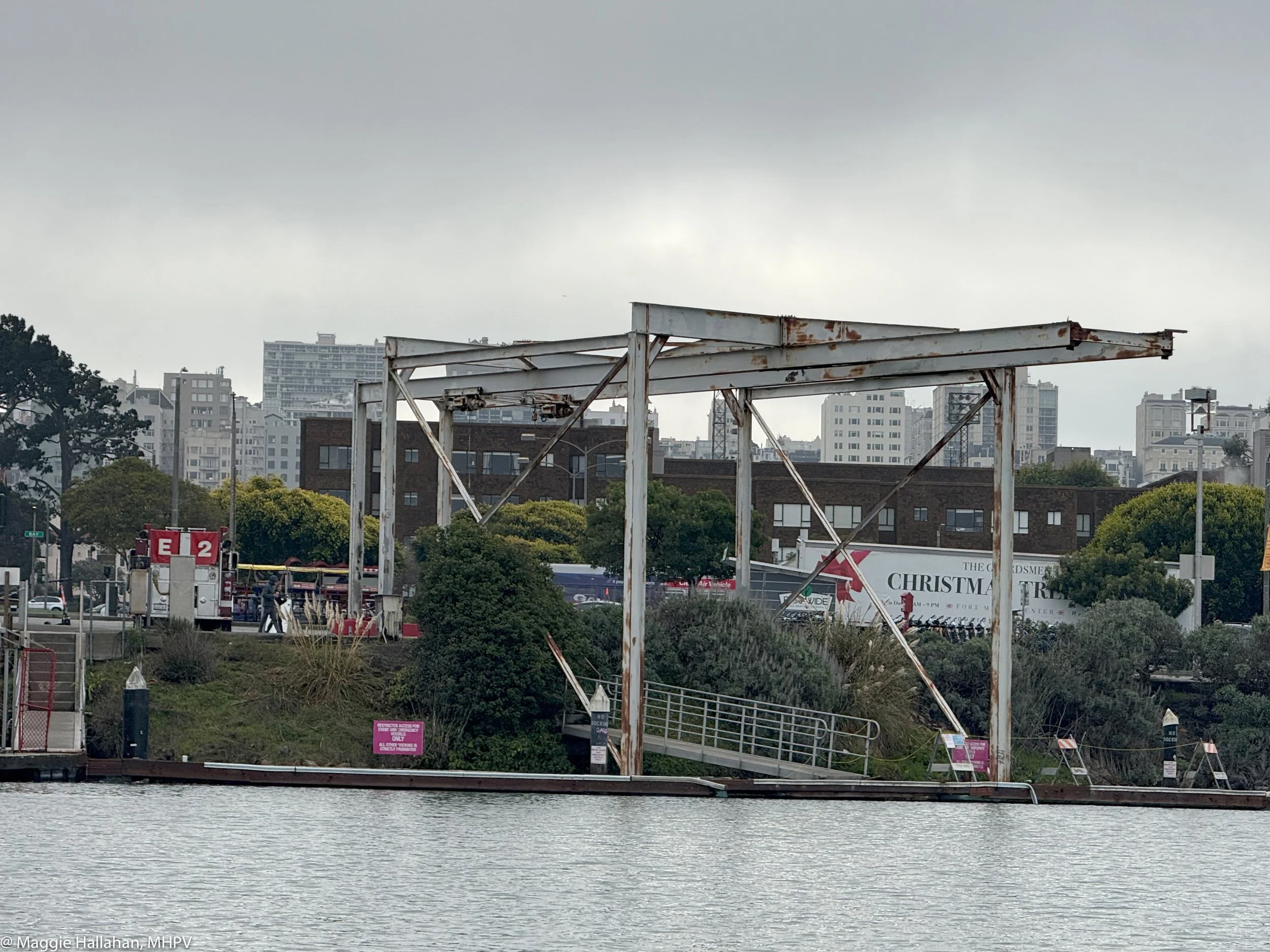
3 San Francisco’s Only Public Boat Lift
This was the only public boat lift in San Francisco, designed to help launch and retrieve trailer-stored boats. It also supported emergency response operations, such as oil spill cleanup, and provided public access to a touch-and-go dock just below the lift.
A few years ago, the San Francisco Recreation and Parks Department (SFRP) cut the lift’s cables and announced it would no longer be available.
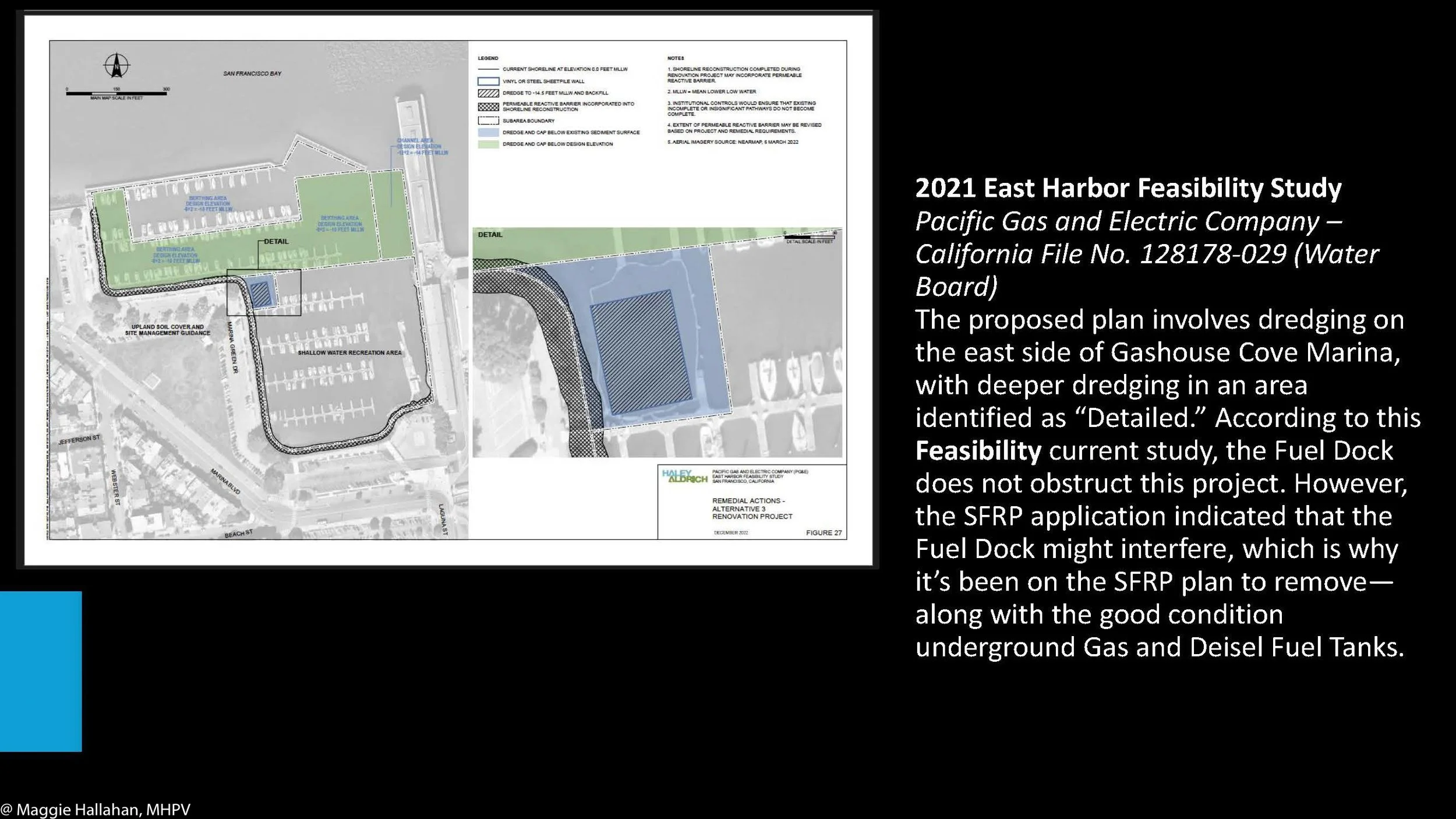
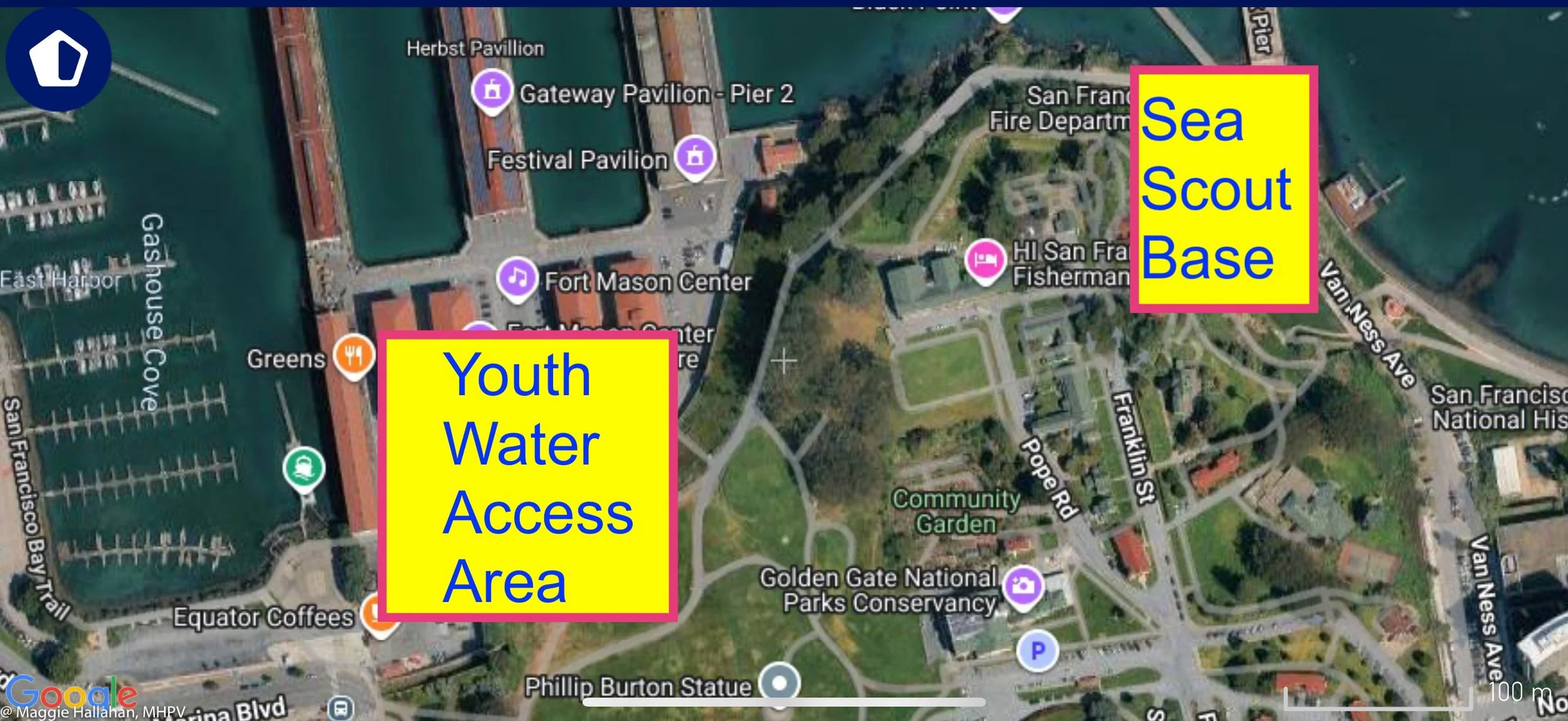
1 This map highlights Black Point at the center,
Black Point with Aquatic Park to the east and Gashouse Marina to the west. The waterway embodies more than 175 years of shared history between the State of California and the City of San Francisco. Black Point, a bedrock promontory, has long served as a prominent navigational aid.
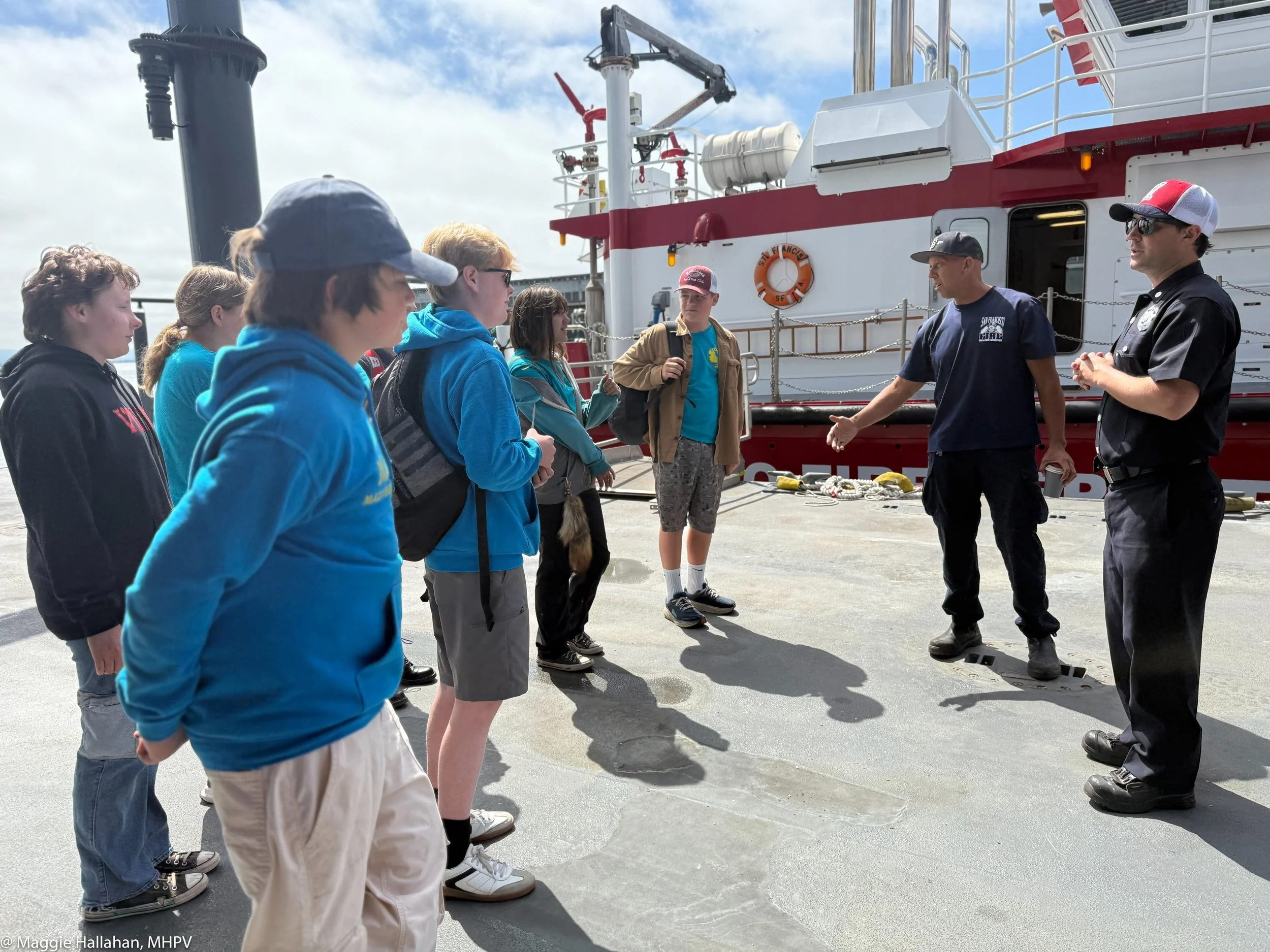
18 Maritime Youth Advocates Interview SFFD on Fuel Delivery at New Maritime Fire Station
The Maritime Youth Advocates interviewed the San Francisco Fire Department at the new Maritime Fire Station to learn about fuel delivery methods. SFFD explained that they receive diesel via over-water transfer, while gasoline is purchased at standard stations and transported to their dock in 5-gallon containers.
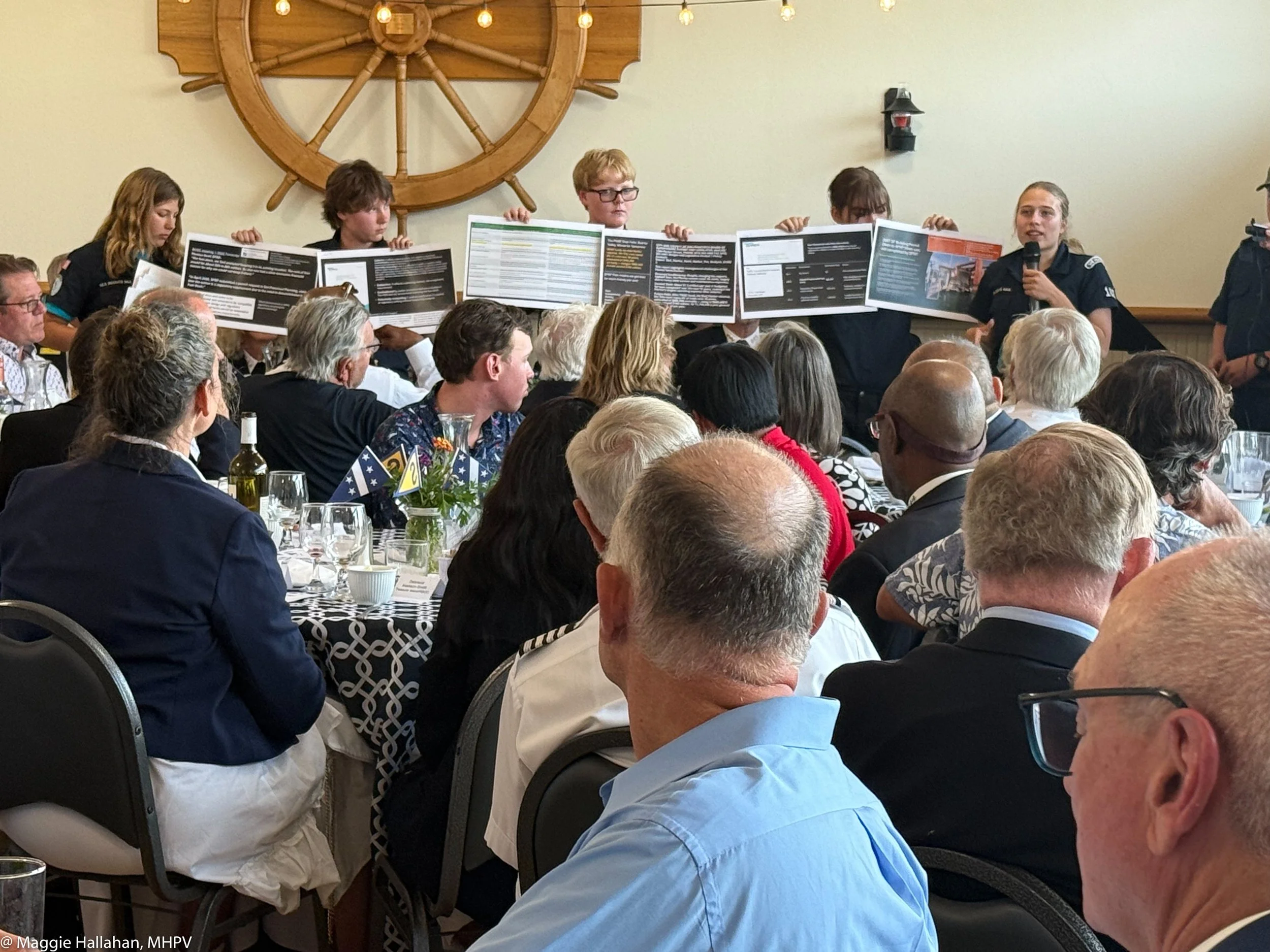
17 Sea Scout Maritime Youth Advocates Address PICYA Delegates on Fuel Dock Closure Concerns
On July 7, 2025, the Pacific Inter-Club Yacht Association (PICYA), a 129-year-old Bay organization, invited Maritime Youth Advocates—mostly Sea Scouts of Scouting USA—to speak before 75 Northern California yacht club delegates. The youth revealed that San Francisco Recreation and Parks plans to permanently close gas and diesel fuel access at Gashouse Cove Marina, a fact unknown to most attendees.
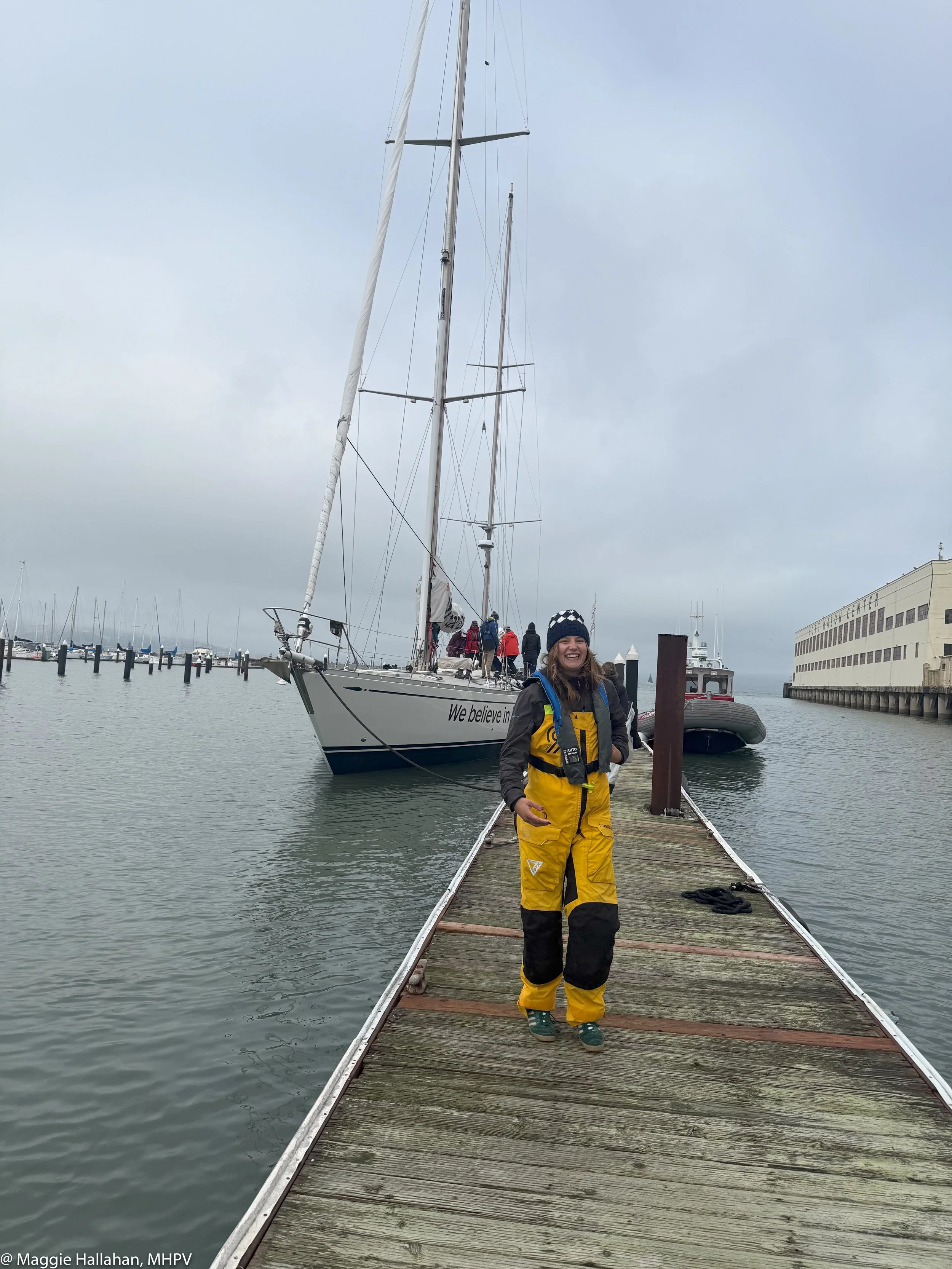
4 Lana Coomes, Inspires the Next Generation at Gashouse Cove Marina
Lana Coomes, the youngest crew member aboard Maiden and part of the first all-women’s crew to win in the Ocean Globe Race, arrives at Gashouse Cove Dock to meet and inspire San Francisco’s young mariners.
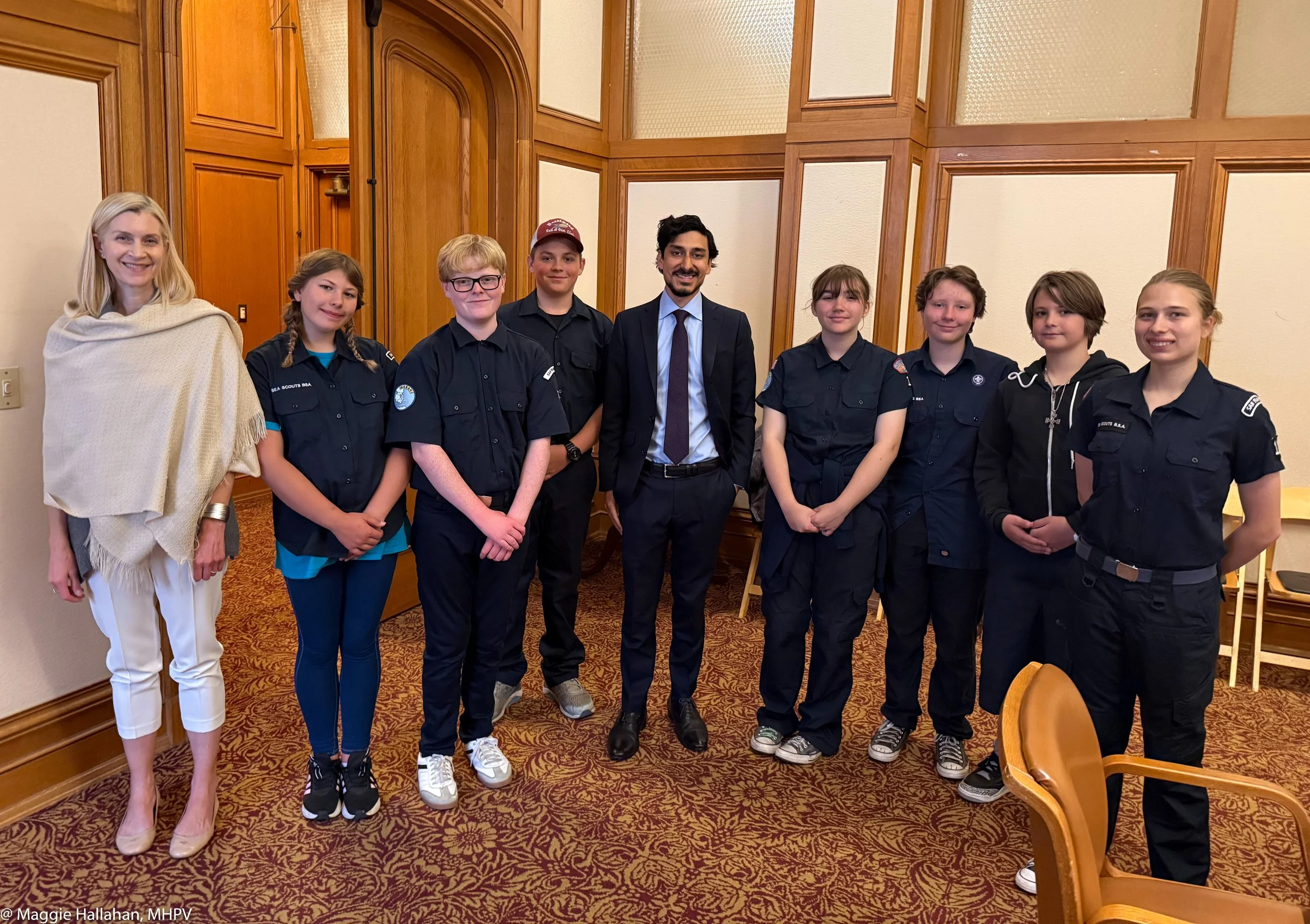
26 Maritime Youth Advocates Present Gashouse Cove Story to SF Infrastructure Leadership
July 3, 2025 — Maritime Youth Advocates shared the story of Gashouse Cove with Alicia John-Baptiste, Chief of Infrastructure, Climate, and Mobility for the City and County of San Francisco, and Amar Bhardwaj, Assistant Chief of Infrastructure, Climate, and Mobility at SF City Hall.
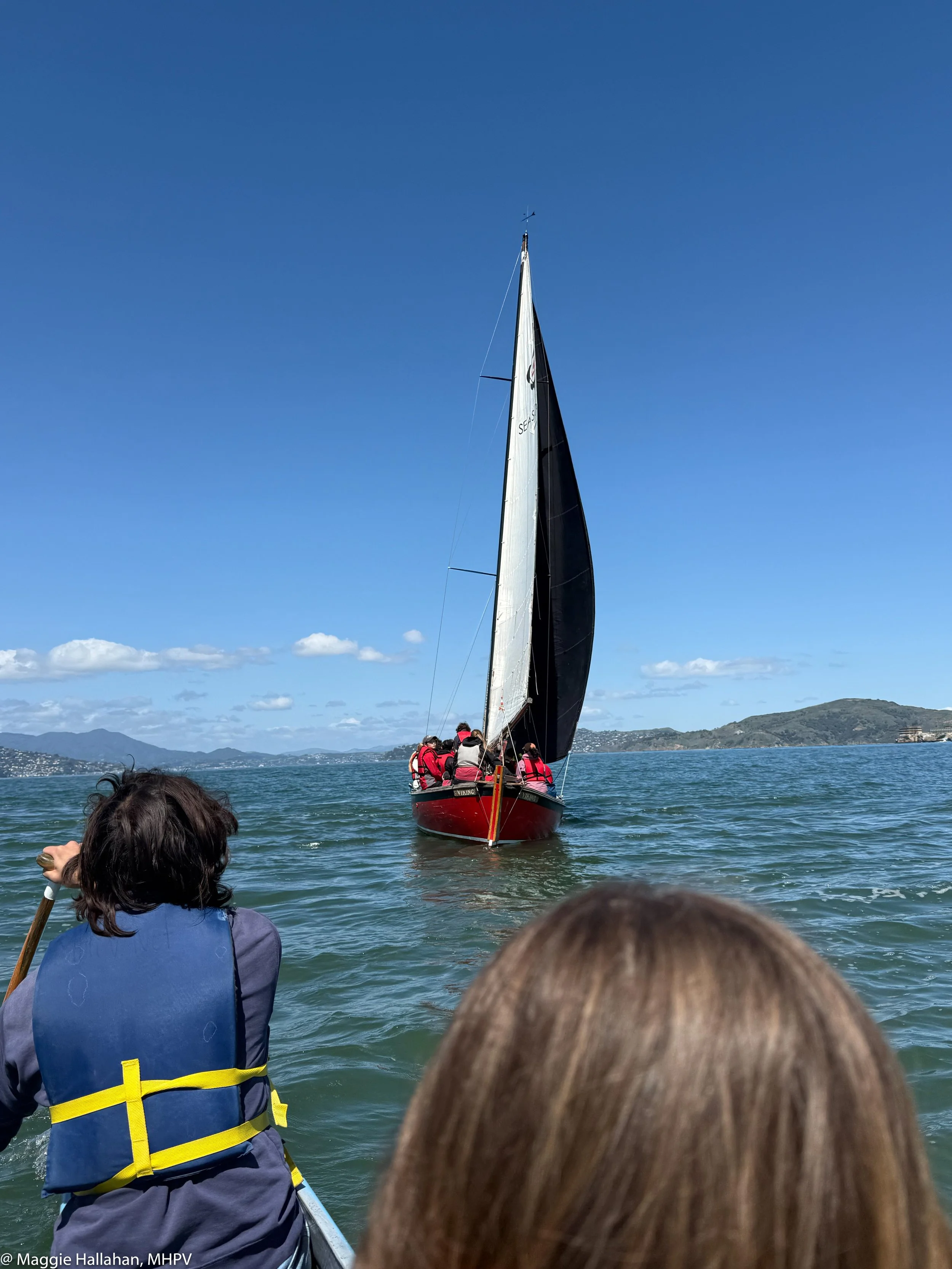
24 Youth Learn Water Safety and Seamanship at Black Point
Maritime Youth Advocates engaged in hands-on training around Black Point, focusing on water safety, understanding currents, winds, and tides. The program strengthens seamanship skills while building confidence and awareness on the waters of San Francisco Bay.
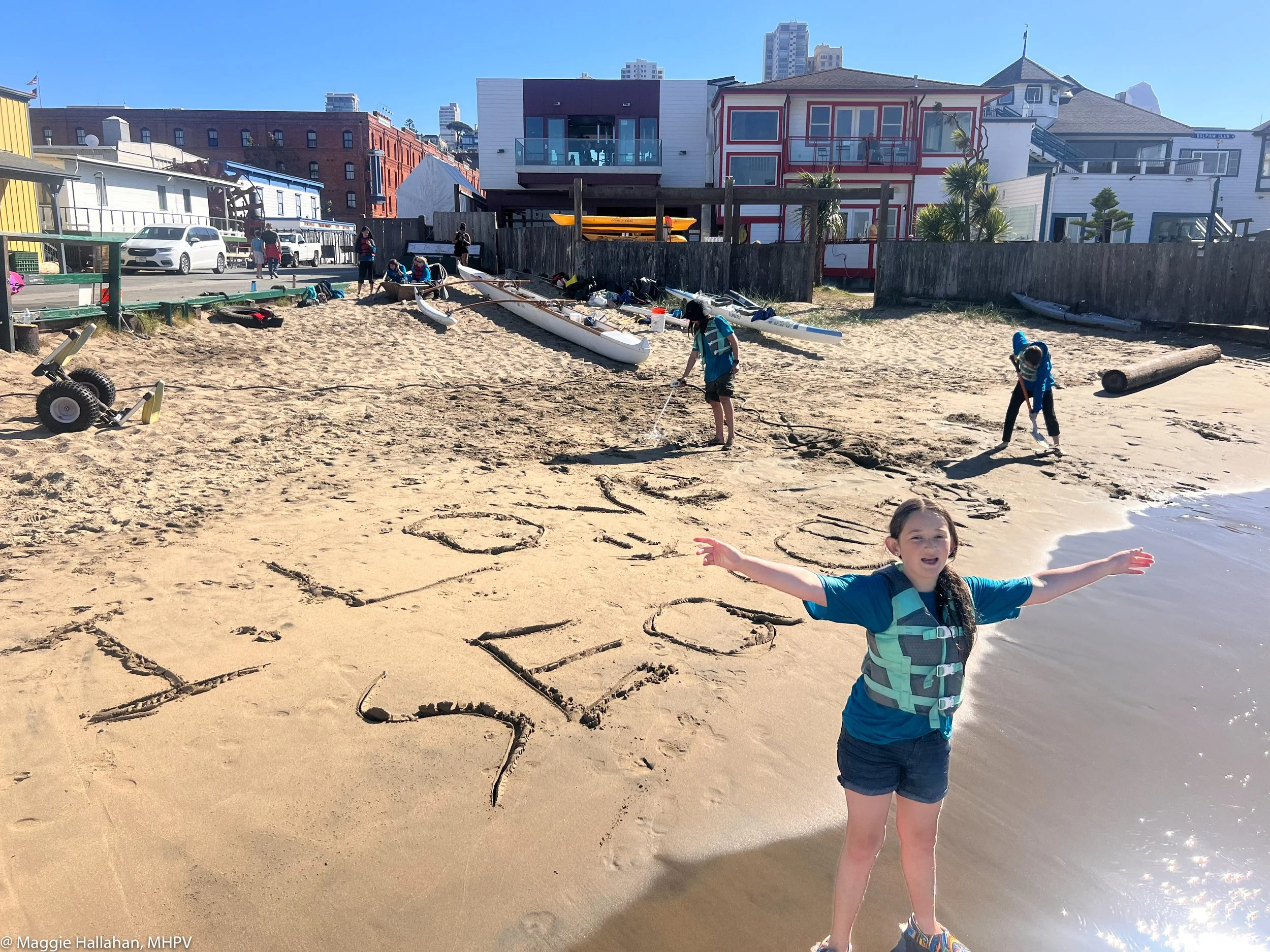
25 Youth Learn Water Safety and Seamanship at Black Point
Maritime Youth Advocates engaged in hands-on training around Black Point, focusing on water safety, understanding currents, winds, and tides. The program strengthens seamanship skills while building confidence and awareness on the waters of San Francisco Bay.
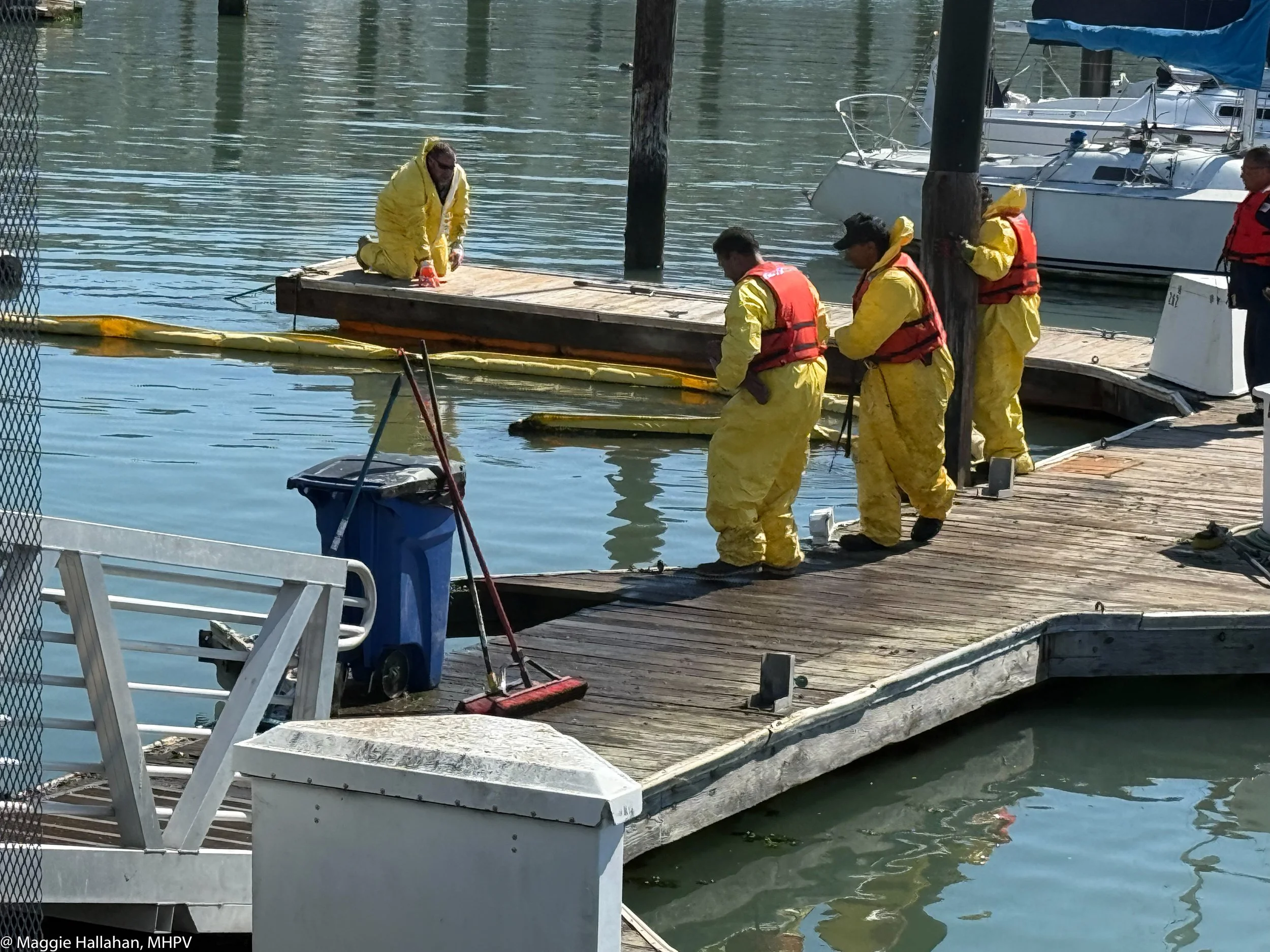
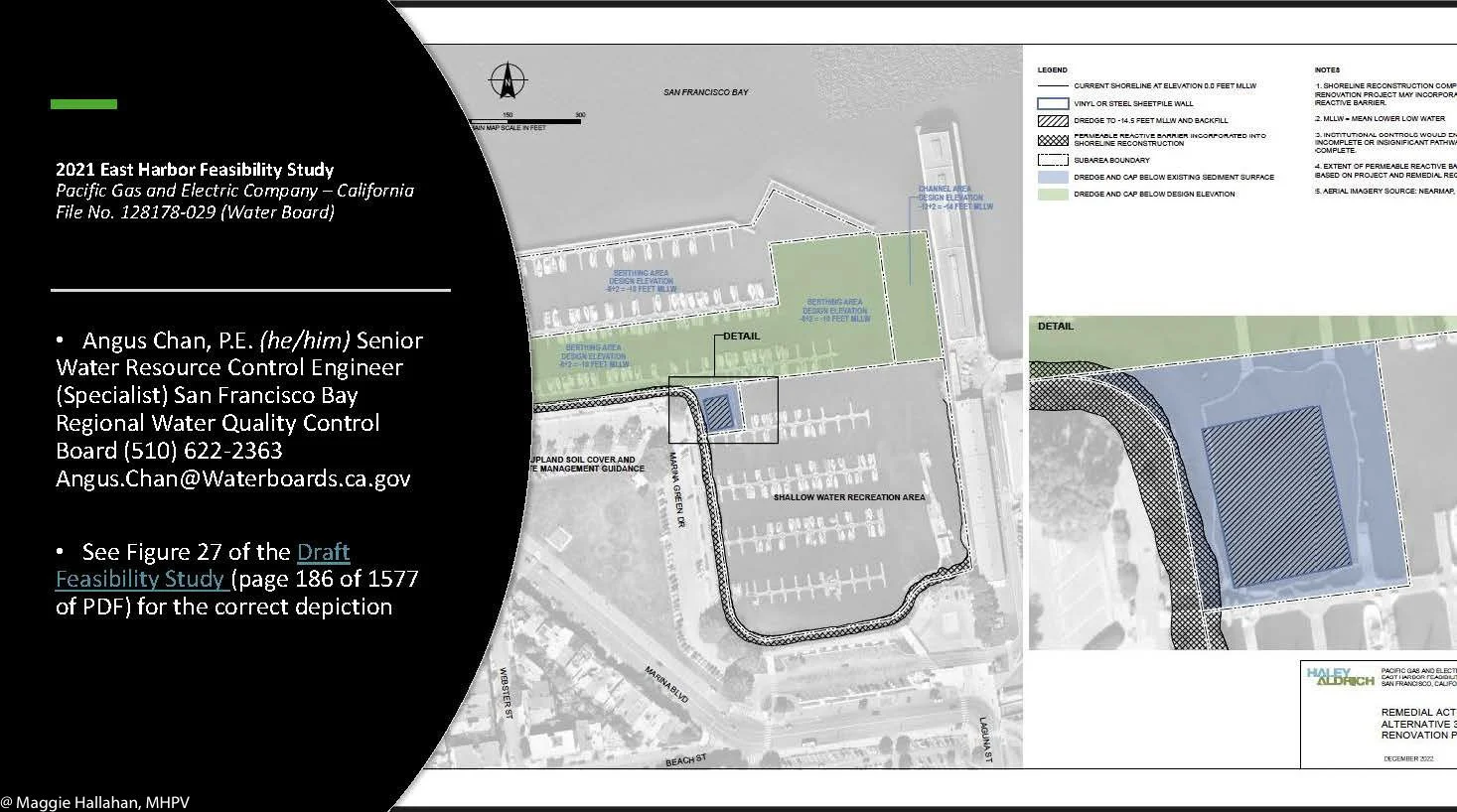
2 Gashouse Cove – PG&E Cleanup Area
The site covers approximately 20 by 40 meters of submerged land. The PG&E plant here was decommissioned in 1962, but no cleanup was conducted at that time. The State in 1967 converted the area into a small boat marina and emergency response facility. For the past 22 years, the California Water Board has been pursuing remediation of this site.
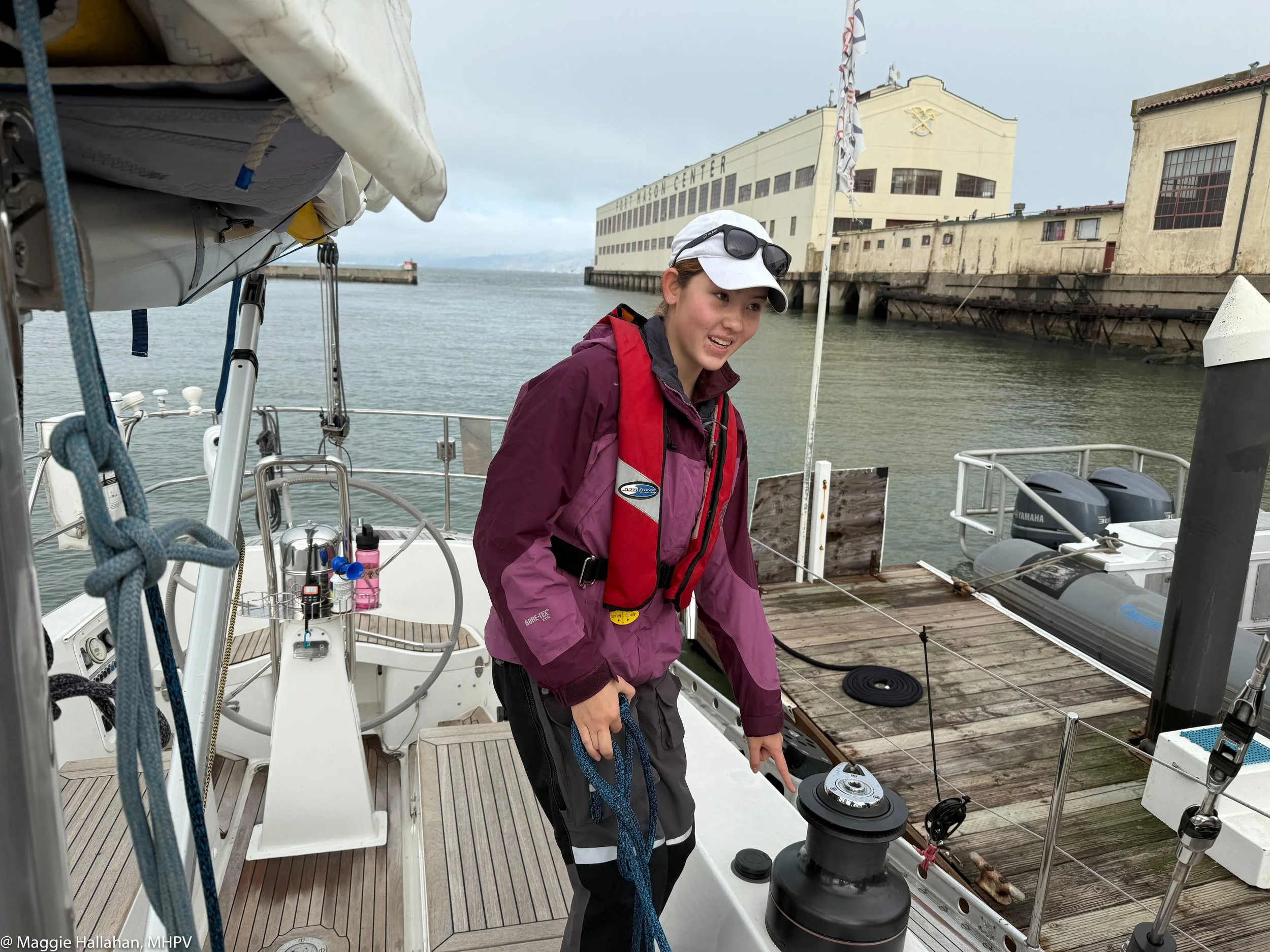
6 Navigational Channel to Gashouse Fuel Dock Remains Stable Without Dredging.
The navigational channel leading to the Gashouse Fuel Dock has not been dredged for 35 years. Despite this, heavy boat traffic maintains a natural depth of 8.5 feet at low tide, making it safely navigable. The San Francisco Recreation and Parks Department (SFRP) permit proposes filling the channel to only 4 feet at low tide, which would significantly reduce access. However, the State Water Board has confirmed that at its current depth, the channel can remain in place and continue to be used without alteration.

23 Youth Learn Water Safety and Seamanship at Black Point
Maritime Youth Advocates engaged in hands-on training around Black Point, focusing on water safety, understanding currents, winds, and tides. The program strengthens seamanship skills while building confidence and awareness on the waters of San Francisco Bay.
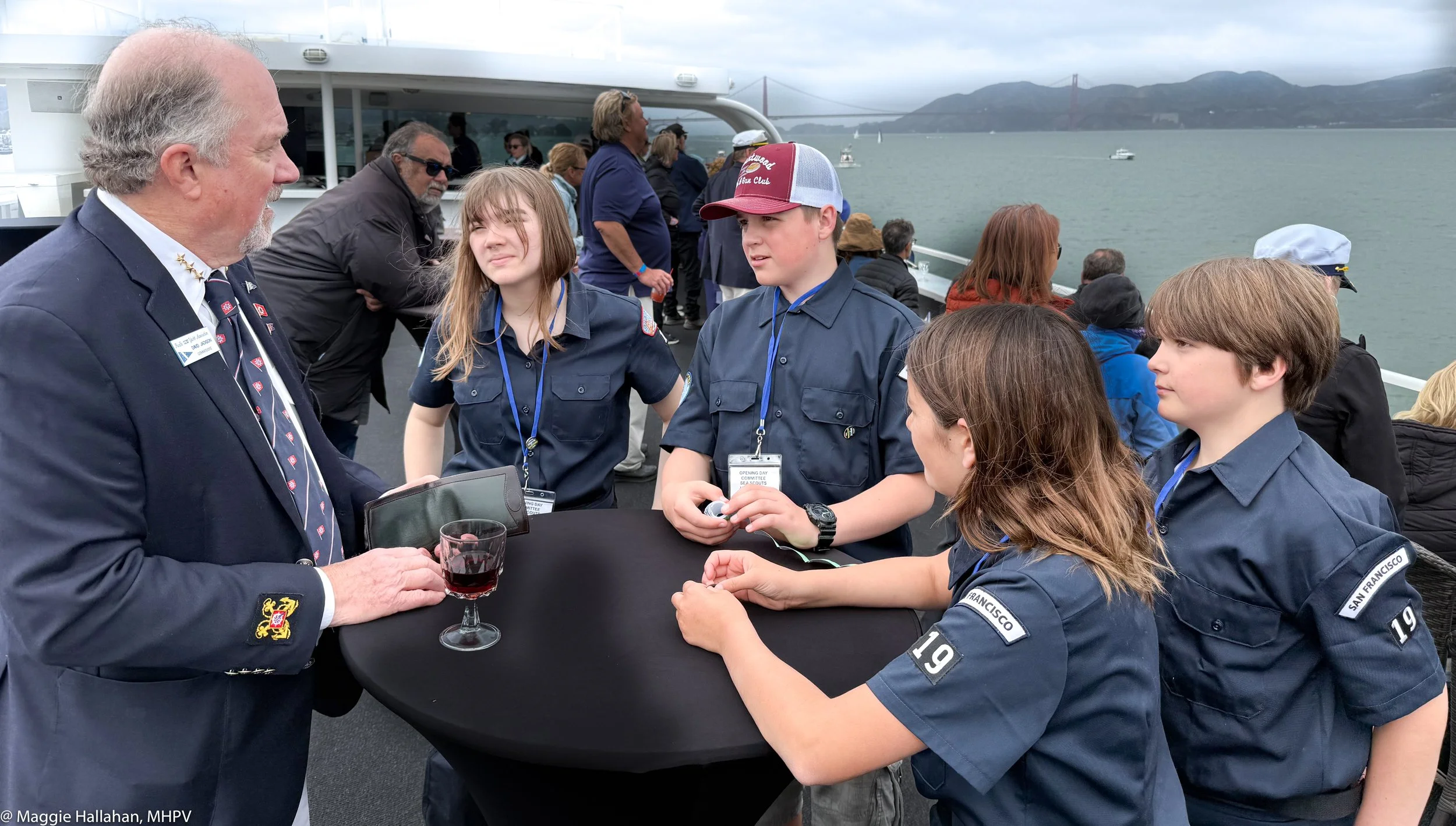
30 Opening Day on the Bay — Pacific Inter-Club Yacht Association (PICYA)
April 27, 2025 — David Jackson, Commodore of PICYA, purchases raffle tickets in support of PICYA. He highlights the importance of carrying forward the maritime history of the San Francisco Bay and the joy that being on the water brings to people. David thanks the youth for volunteering with PICYA and for their commitment to keeping Gashouse Cove clean and accessible for the public. (Lat: 37.81, Lon: -122.43)

7 SF Supervisor at Gashouse Cove Marina with Steve Welch, Golden Gate Area Council Sea Scout Committee Chair
On January 2, 2025, Supervisor Stephen Sherril (left) and his staff member Mick Delrosario (right) joined Steve Welch (center) at the Gashouse Fuel Dock. Despite this visit, they have not been able to make progress with the San Francisco Recreation and Parks Department (SFRP) in reversing its unnecessary plan to decommission the fuel dock. Nor has Supervisor Sherril’s office taken action by engaging the State Water Board, which has already confirmed that at its current depth, the navigational channel can remain in place and continue to be used without alteration.
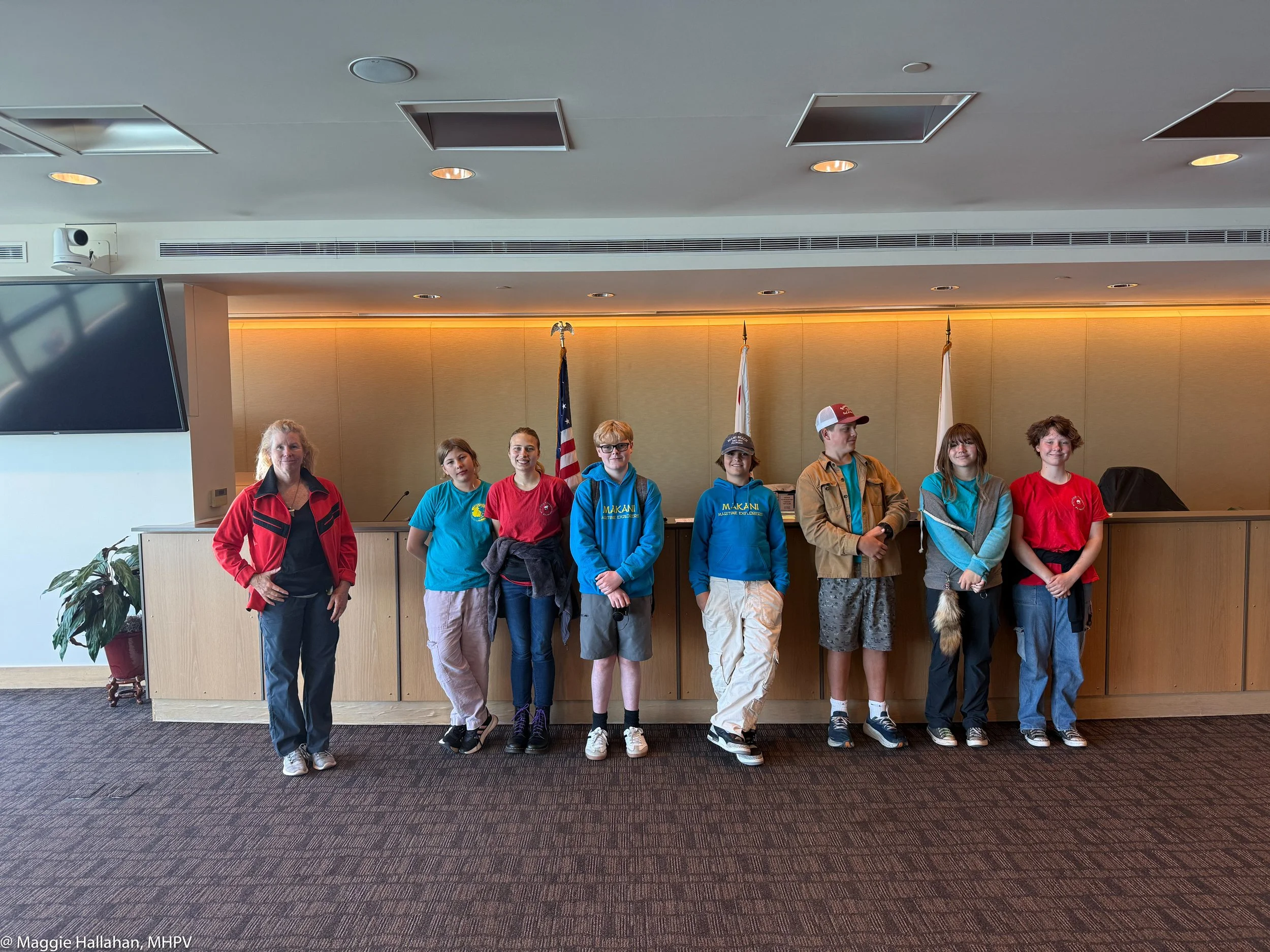

28 SF Bay Youth Maritime Advocates Learn About Port Governance and Planning
The SF Bay Youth Maritime Advocates recently met with the Secretary of the Port of San Francisco Commission. During the conversation, she explained that the Commission serves as the governing body responsible for setting the overall direction of the Port. She also took time to walk the youth through the rules and procedures for speaking during public comment at future Commission meetings. This introduction not only gave the youth a better understanding of how the Port is governed, but also prepared them to actively participate and